AI Is Changing How Video Games Are Made — But What Does That Actually Mean?
AI has moved from gaming's future into its development pipeline. From coding assistance and playtesting to generated worlds and NPCs, here's what AI is actually changing—and what it still can't replace.
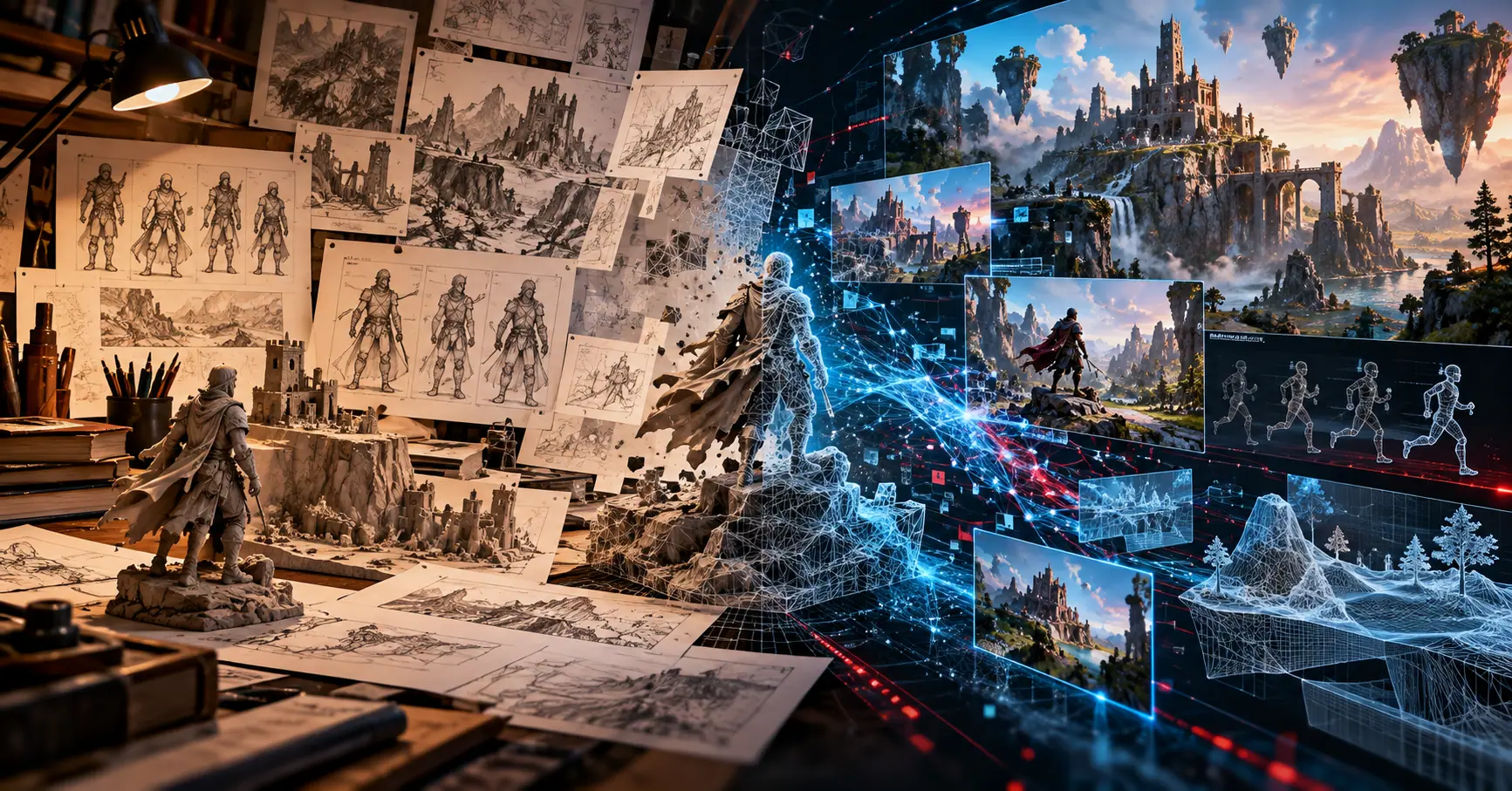
The meaning of “AI in gaming” has changed dramatically.
It isn't just about smarter NPCs anymore.
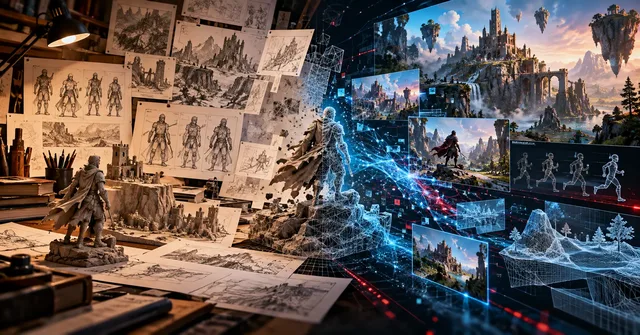
Developers are experimenting with AI for coding, planning, asset creation, testing, narrative work and other parts of production.
Unity's 2026 report found that developers are taking a relatively cautious approach, with coding assistance and back-end development among the most common uses. Unity
At the same time, platforms such as Roblox are pushing toward something much more ambitious: letting people describe a game in natural language and have AI create a playable starting point.
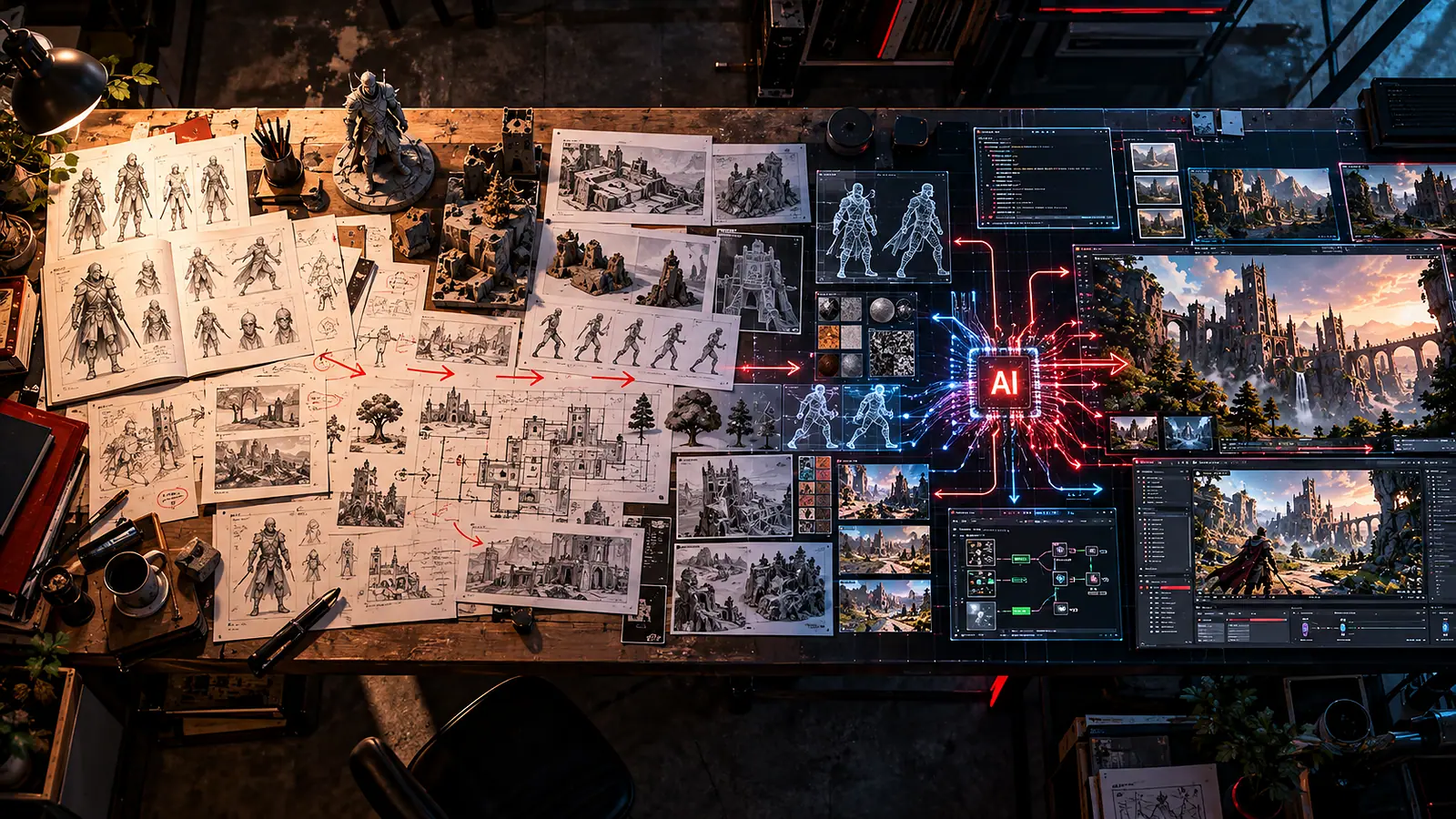
Those numbers paint a more practical picture.
AI isn't necessarily sitting in the director's chair.
It's often being used as an accelerator—helping developers get through repetitive or time-consuming tasks faster.
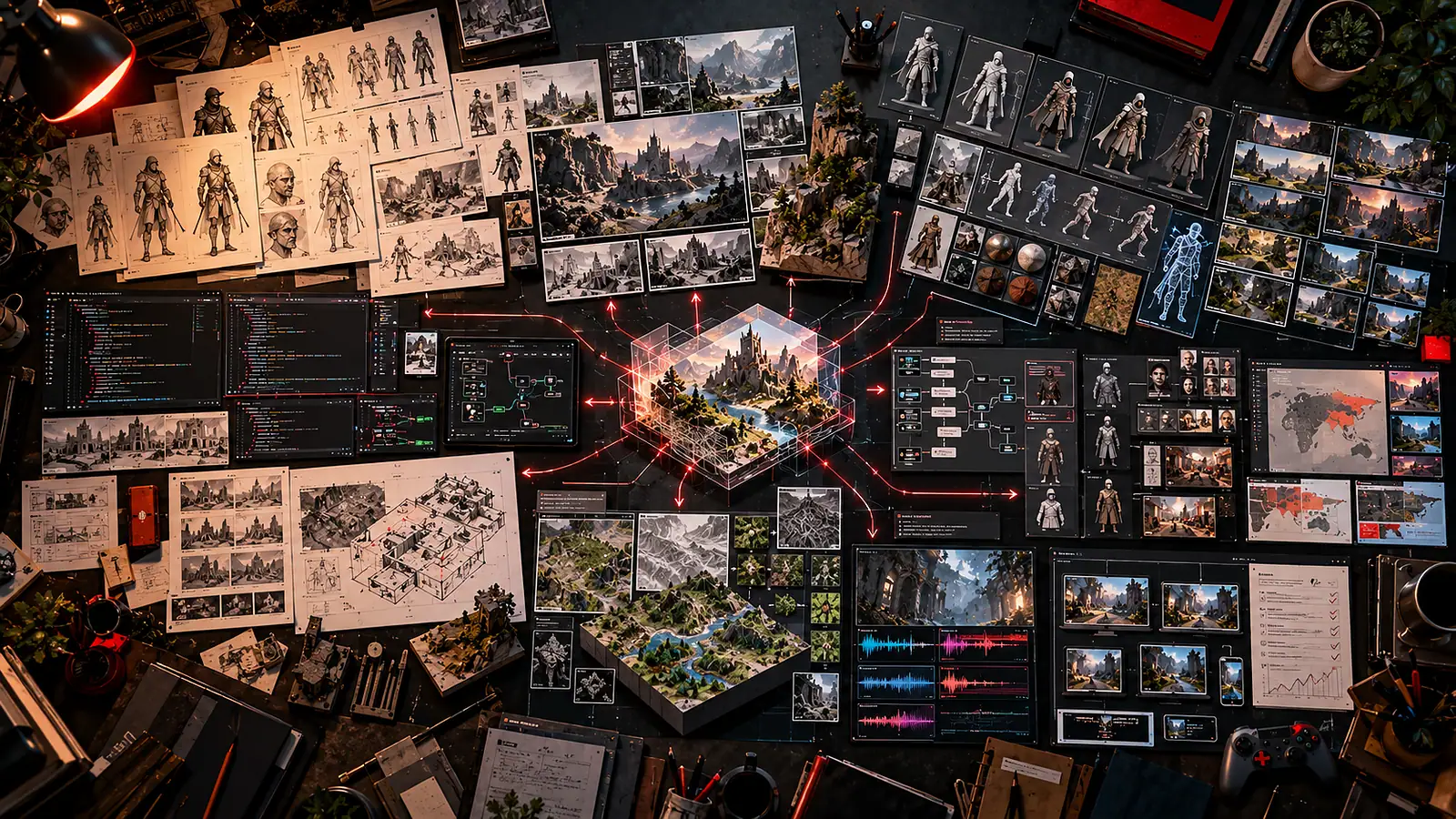
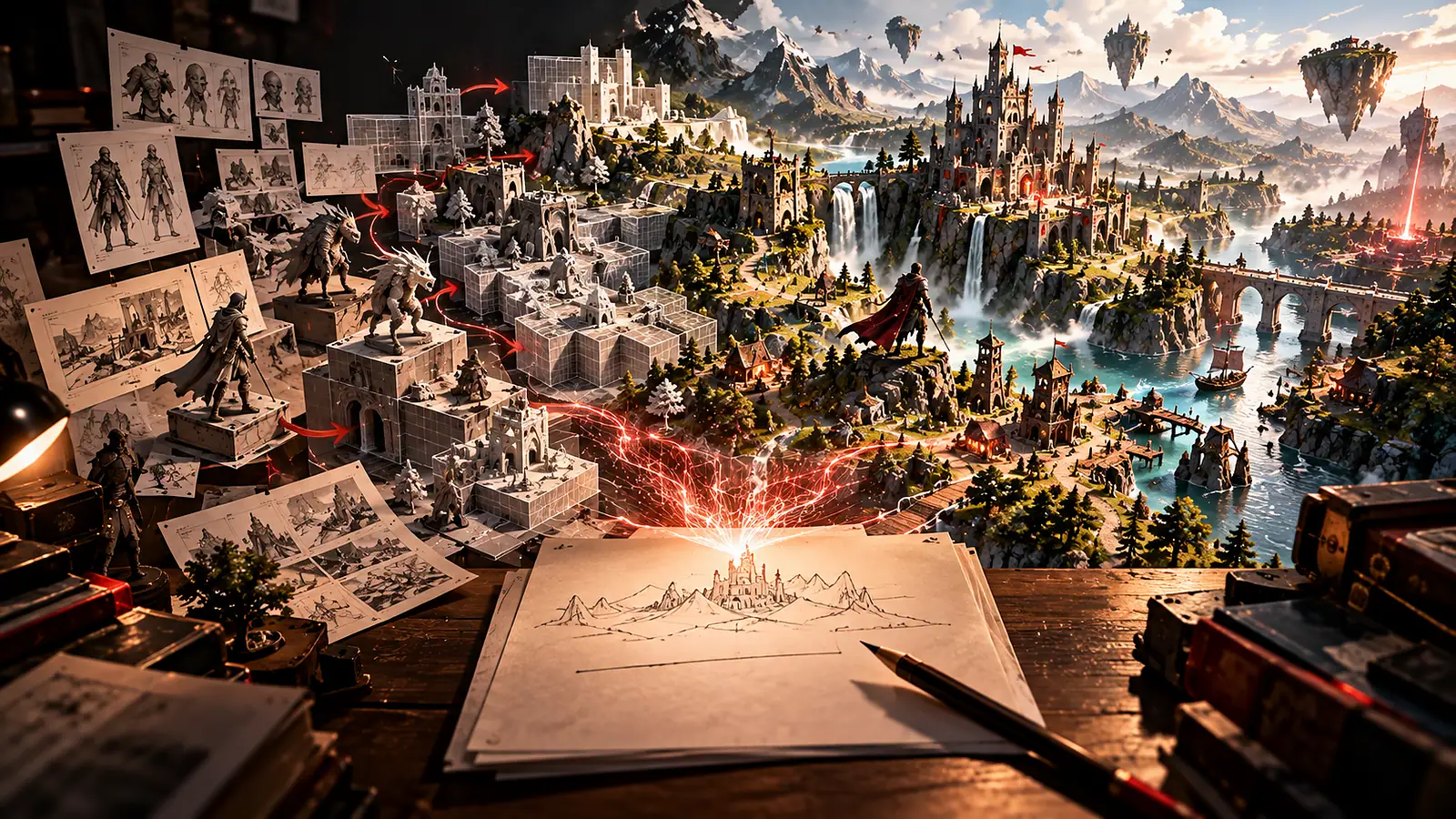
Roblox's Build system lets users describe a game using natural language and generates a playable starting point. The system can handle gameplay mechanics, environments, characters, visual style, sound and achievements. Creator Hub
Roblox says its Build system had already been used to publish around 9,000 games by September 2026, with 71% of creators who used it having not previously used Roblox Studio. Reuters
That's significant because the biggest change may not be that AI makes existing developers faster.
It may be that AI allows people who previously couldn't make games to start making them.
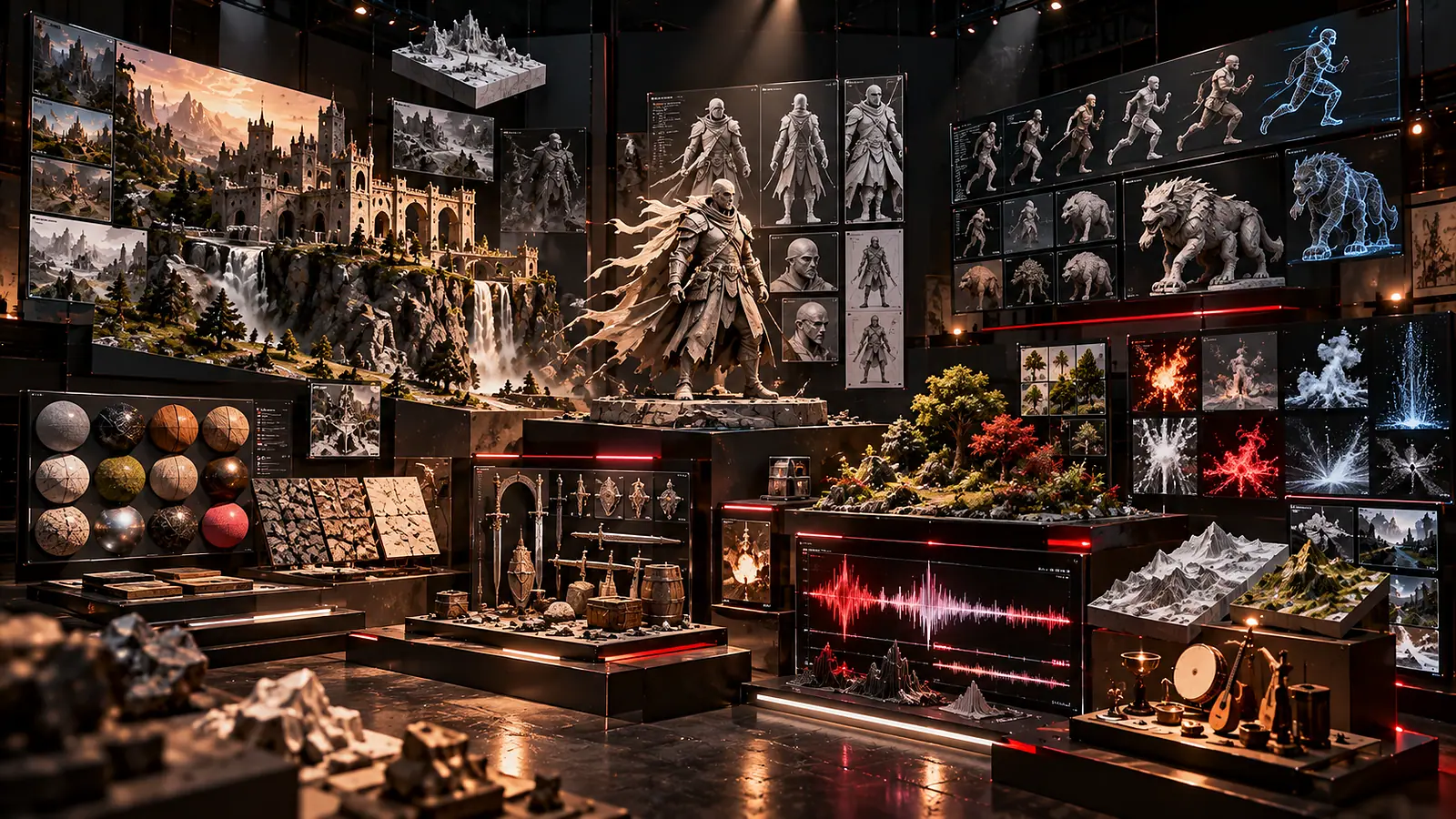
Modern AI tools can work across multiple parts of a development workflow.
Unity's current AI tools operate directly inside the Editor, where they can understand project context and assist with tasks such as coding, scene building and project questions.
Roblox's Build system goes further by generating gameplay, characters, environments, visual style and sound from natural-language descriptions.
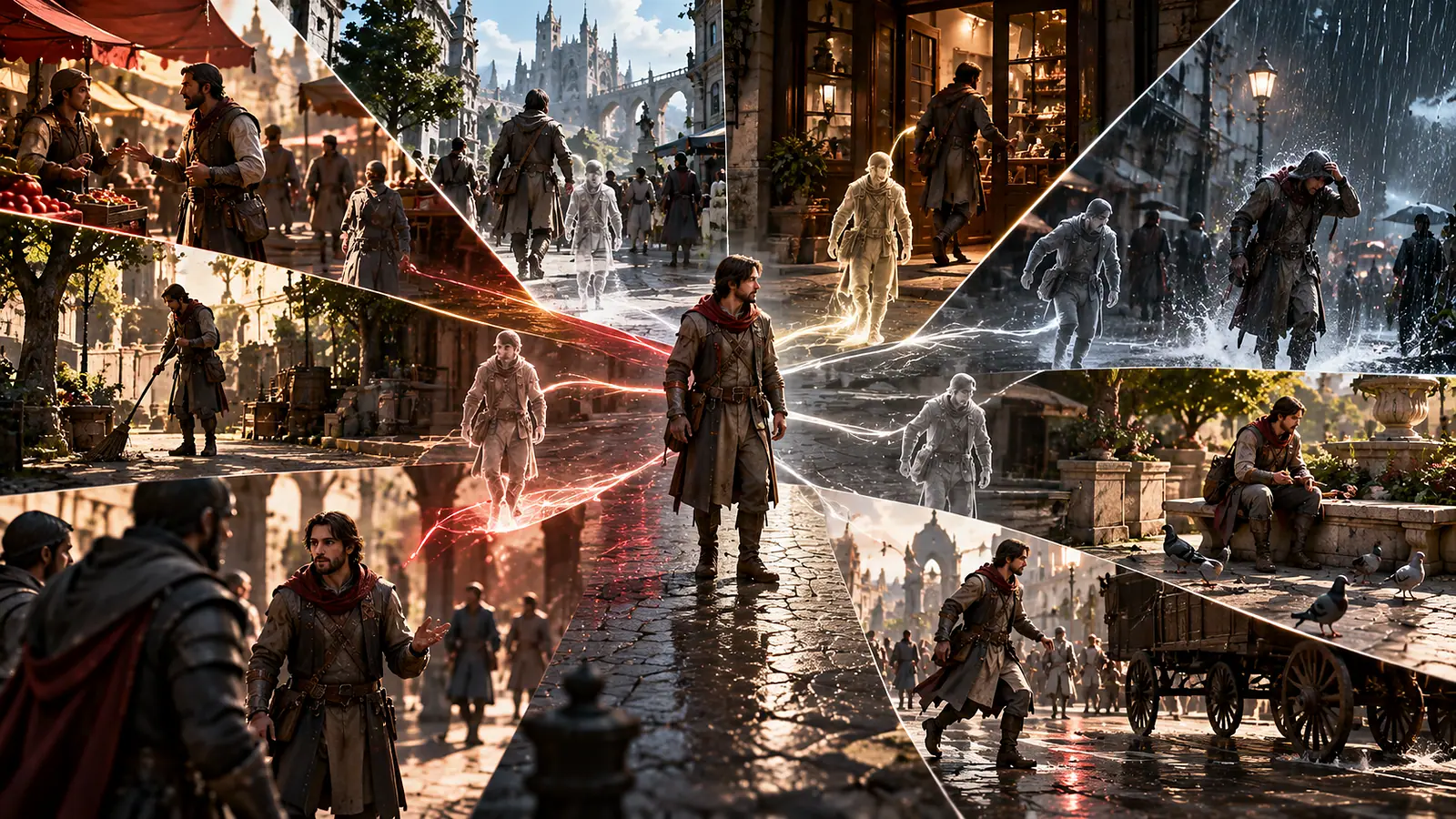
AI could change that relationship.
Instead of every behavior being explicitly scripted, developers can increasingly experiment with systems capable of adapting to player behavior or generating more dynamic interactions.
But smarter doesn't automatically mean better.
A game still needs NPCs to behave consistently with its world, story and design. An unpredictable character might be technically impressive while still being terrible for the actual game.
Developers need to test an enormous number of interactions.
What happens if the player enters an area from the wrong direction?
What if two systems activate at the same time?
What if the player performs an action the designers never expected?
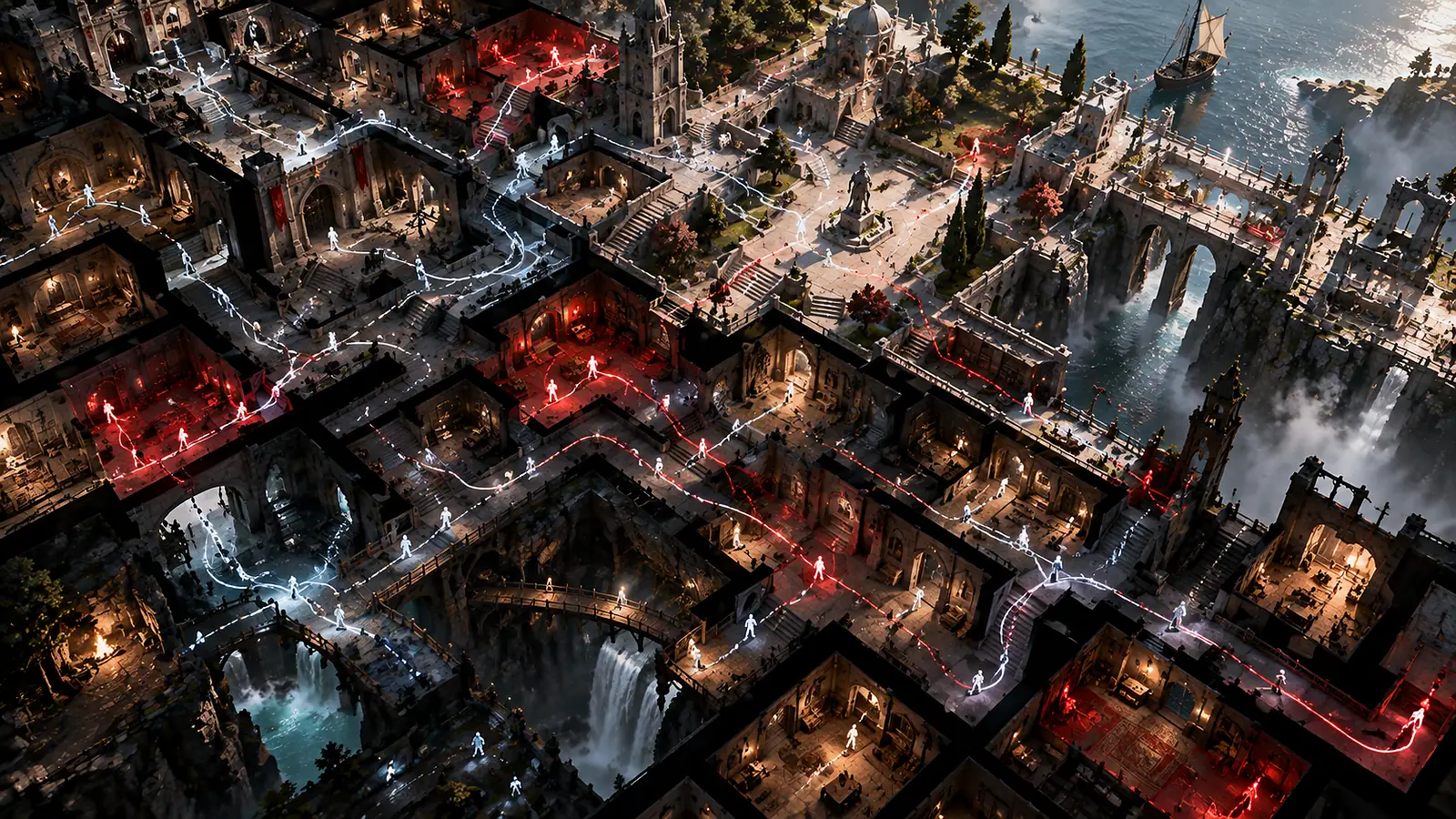
Automated AI-driven testing can explore combinations far faster than a human team can manually reproduce every possibility.
Unity's 2026 survey lists automated playtesting among the AI applications being used by developers, while Roblox is also developing AI-powered NPCs specifically for game testing.
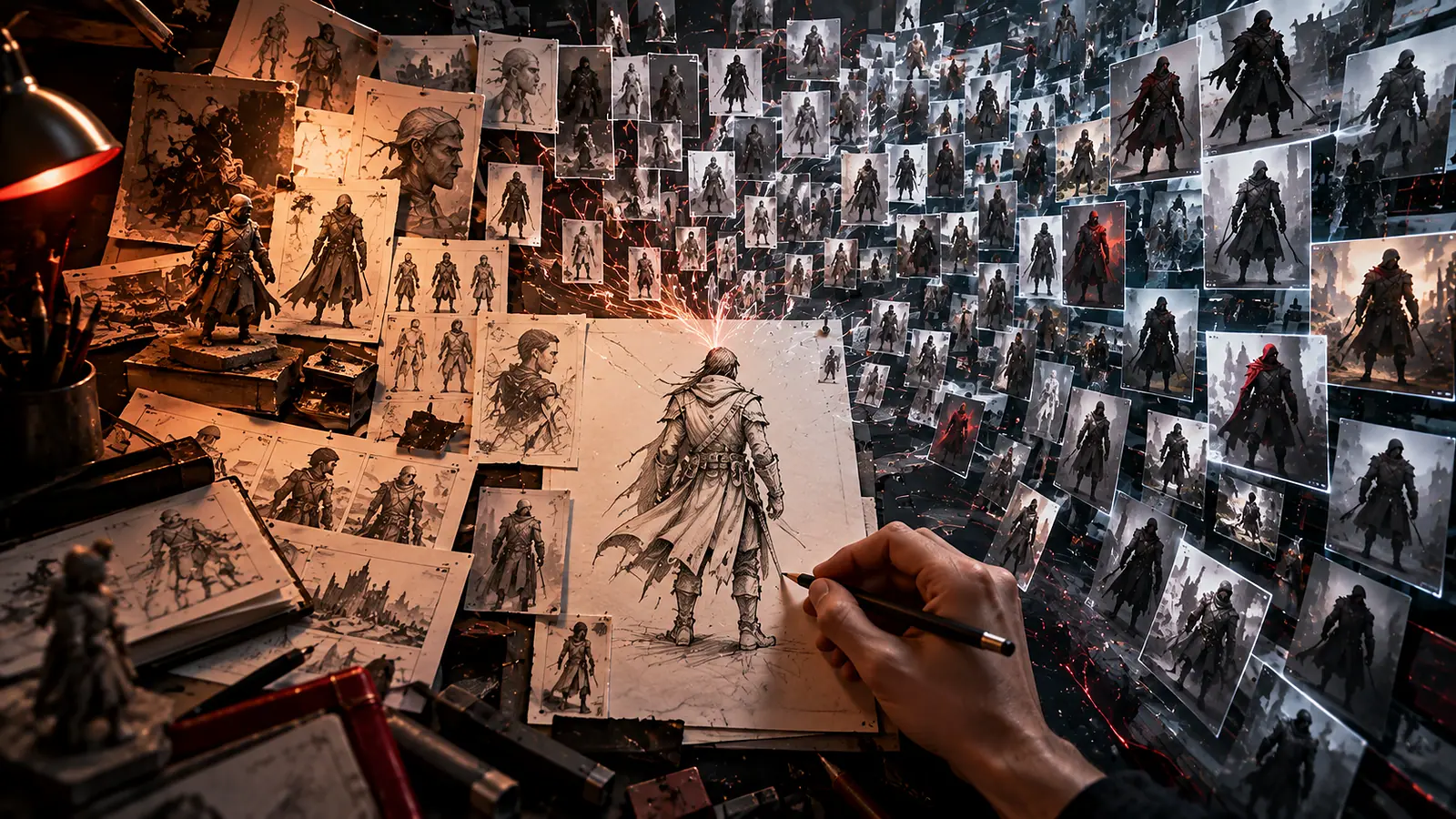
If AI can generate images, dialogue, code and other material, where does that leave the people who traditionally create those things?
The answer isn't simple.
Some developers use AI as an assistant, prototype generator or productivity tool. Others are cautious about using generated creative content at all.
The important distinction is between generating something and deciding what belongs in a finished game.
A generated image can exist in seconds. Building a coherent visual identity for an entire game still requires direction, taste, consistency and thousands of creative decisions.
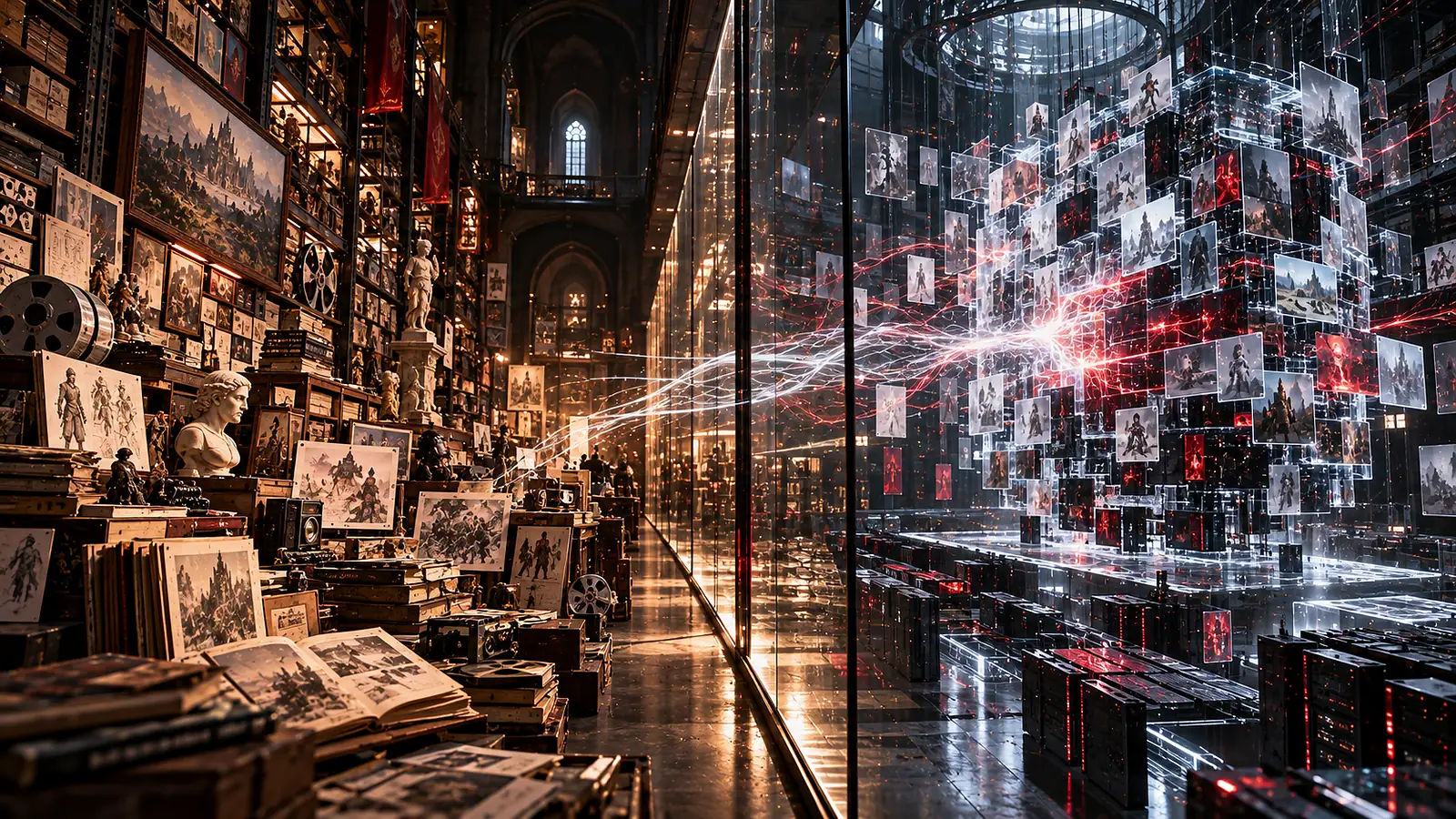
AI systems learn patterns from enormous amounts of information, which raises difficult questions around copyrighted material, ownership, consent and attribution.
Game development adds another layer because studios work with proprietary code, unreleased assets, player data and confidential projects.
That makes AI adoption partly a technology question and partly a legal and production-policy question.
The industry hasn't arrived at one universal answer.
The more AI moves into production, the more important questions about ownership become.
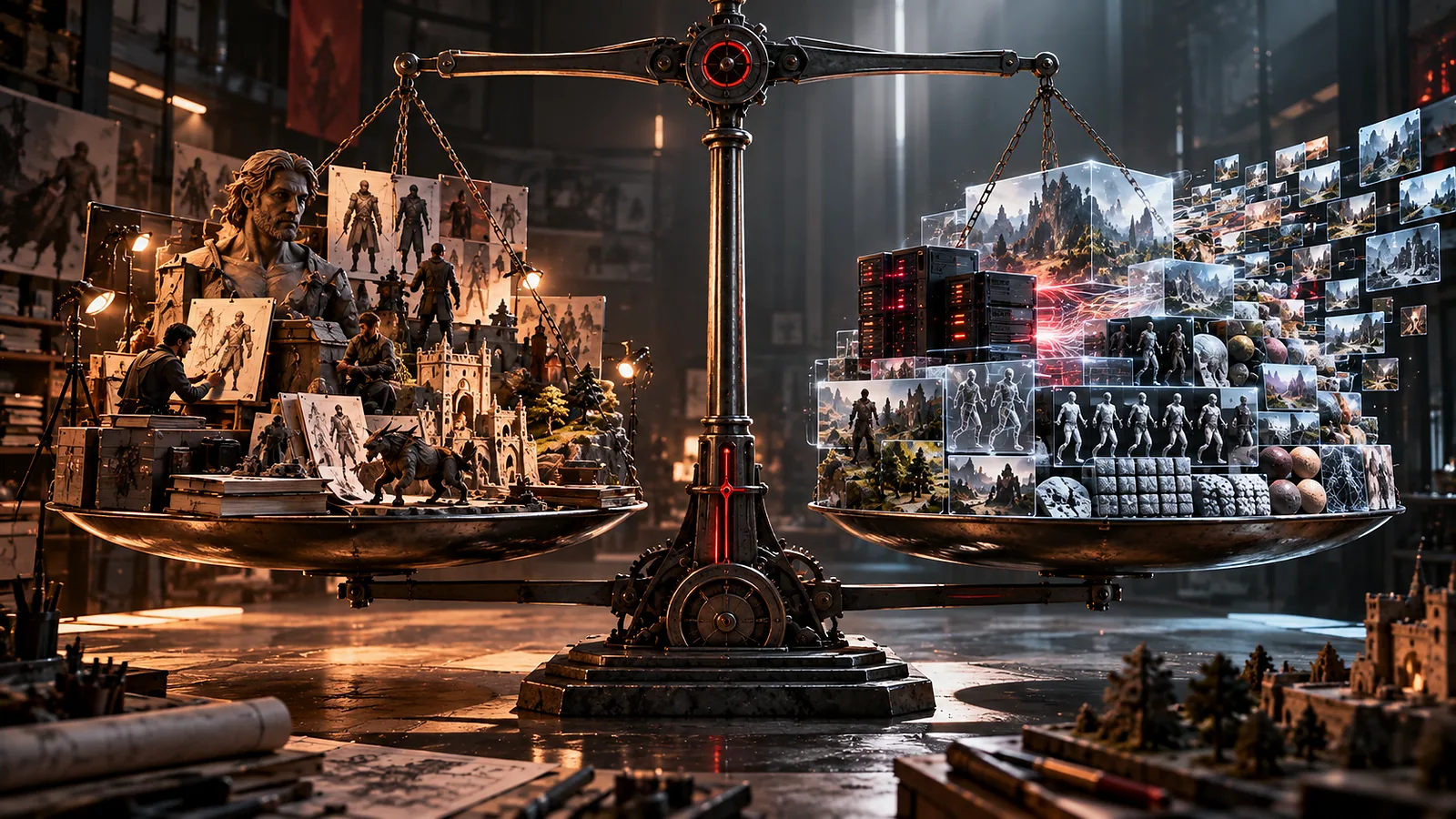
AI can reduce time spent on certain tasks.
But a modern game still needs designers, engineers, artists, producers, testers, audio specialists, localization and many other disciplines.
If AI makes one part of production faster, studios may simply use that saved time to build more ambitious systems.
In other words, AI could lower the cost of producing a certain amount of content—or it could help developers produce much more content for roughly the same production effort.
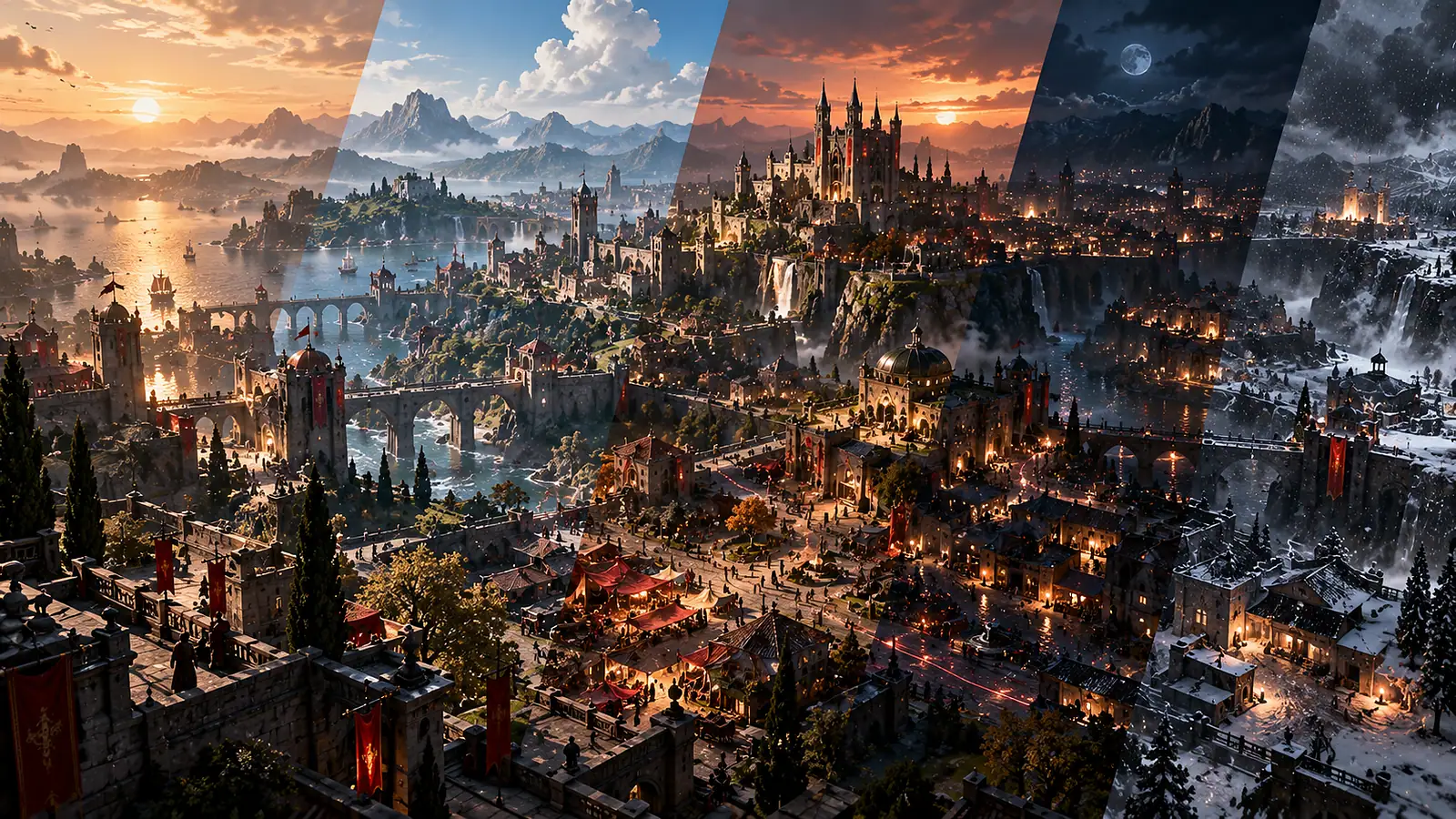
Imagine a game where environments can change according to player behavior.
NPCs could develop different routines.
Missions could be assembled dynamically.
Dialogue could respond to context.
Worlds could generate new locations or challenges when players explore them.
Some of this is already being explored in research and commercial tools, but the fully dynamic version remains a much larger technical and design challenge.
Microsoft's Muse research, for example, explores models capable of generating game visuals and controller actions as part of research into AI-assisted game creation.
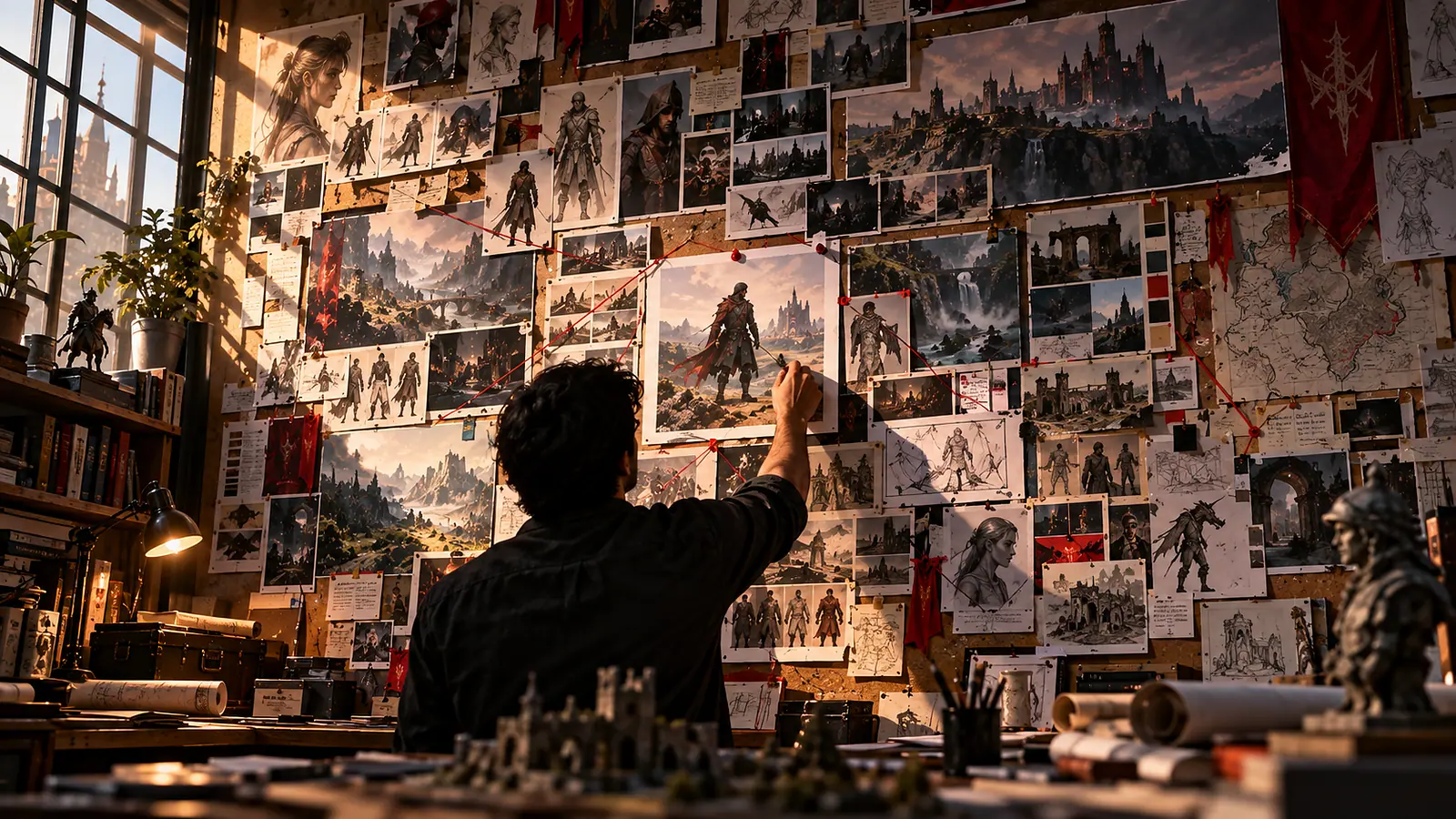
A game isn't just a collection of assets.
Someone has to decide what the player should feel.
Someone has to decide why a character matters.
Someone has to decide whether a mechanic is fun.
Someone has to decide when to remove a feature rather than add another one.
Those decisions require context, taste, direction and responsibility.
Current industry practice reflects that distinction. Unity's 2026 report describes AI primarily as a tool for improving efficiency and decision-making, while CD Projekt Red has said it intends to remain predominantly human-driven in its game development.
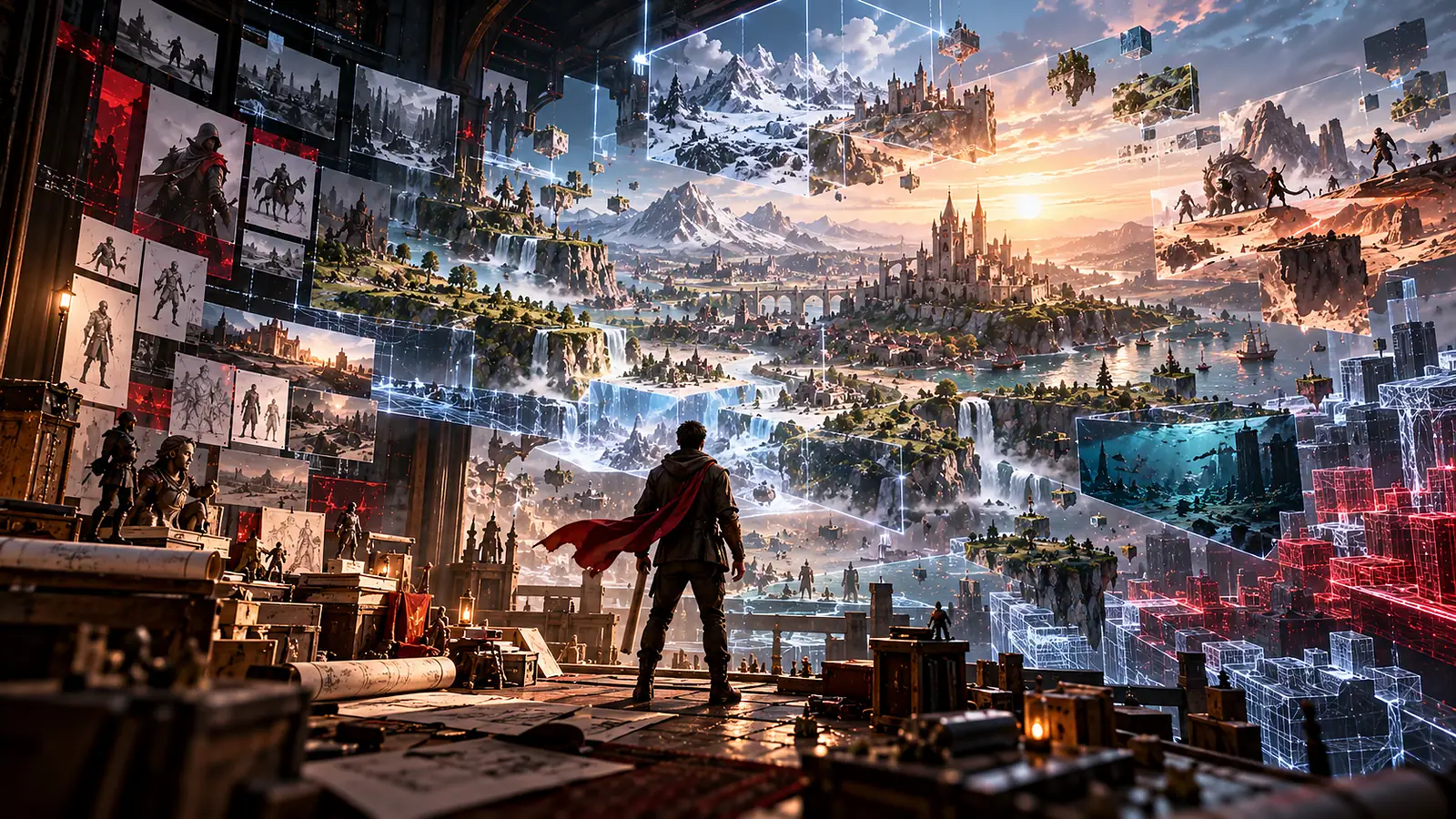
The most realistic future is probably less dramatic than the headlines.
Developers will use AI where it saves time.
Artists will use it where it helps them explore ideas.
Programmers will use it to navigate complicated systems.
Designers will use it to prototype.
QA teams will use it to explore possibilities.
And players may eventually create experiences that would have required an entire development team only a few years earlier.
The technology is moving quickly, but the central question hasn't changed:
What makes a game worth playing?
Frequently Asked Questions About AI in Game Development
AI is becoming part of game development in different ways, from coding assistance and planning to asset creation, NPC systems and automated testing. These answers explain what developers are actually using AI for and where the technology still has limitations.
What is AI being used for in game development?
Developers are using AI for tasks including coding assistance, writing and narrative work, NPC behavior, automated playtesting, concept art and game assets, research and other development workflows. Unity's 2026 report found coding assistance was the most commonly reported use among its surveyed developers. Unity
Can AI create an entire video game?
AI tools can now generate playable game prototypes from natural-language descriptions in some platforms. Roblox's Build, for example, can turn prompts into playable games and generate gameplay, characters, environments, visual style, sound and achievements. That is different from independently producing a large, polished commercial game from beginning to end.
Can AI write game code?
AI coding assistants can generate, explain and modify code, making them useful for development and prototyping. Unity's current AI tools are designed to work inside the Editor and understand project context, including scenes, GameObjects and components.
Can AI create game assets?
Yes. AI tools can assist with creating or generating certain visual and audio assets, depending on the tool. Roblox's current creation tools, for example, are designed to generate elements including environments, characters, visual styles and sound.
Can AI create NPCs?
AI can be used to create or control NPC behaviors. Roblox is developing new NPC capabilities and AI-based playtesting tools as part of its broader game-creation system. Reuters
Can AI test video games?
Yes. Automated playtesting is already one of the areas developers report using AI for. Unity's 2026 report lists automated playtesting among reported AI applications, while Roblox is developing AI-powered NPCs that can help test games. Unity
Will AI replace game developers?
Current evidence does not support treating complete replacement as an established outcome. Developers are using AI for specific tasks, while studios continue to rely on human teams for creative direction, design, production and decision-making. CD Projekt Red, for example, said in September 2026 that it intends to remain predominantly human-driven in its game development while experimenting with AI for limited applications.
What is Microsoft's Muse?
Muse is Microsoft's research model for game-related generation. Microsoft Research describes it as a World and Human Action Model capable of generating game visuals, controller actions, or both. The project is primarily research into how generative models can support human creativity and game development.
Can AI make game development cheaper?
AI may reduce time spent on some repetitive tasks and improve development efficiency, but that does not automatically mean that complete game production becomes cheap. Development still requires design, engineering, art direction, testing, production management and many other forms of human work.
What is the biggest challenge with AI-generated game content?
One challenge is maintaining quality and creative consistency. Other concerns include ownership, training data, originality, privacy and how generated material fits into existing production workflows. The technology can accelerate creation, but generated output still requires evaluation and direction.

Junaid
Founder & Editor-in-Chief at Barlin Games
Founder and Editor-in-Chief of Barlin Games, covering games, studios, developers, gaming culture, and the stories behind the industry.