Why Video Games Are Getting So Big
Modern video games have grown far beyond bigger graphics. Massive worlds, larger teams, longer development cycles, advanced technology and years of post-launch support are changing what it takes to build a major game.
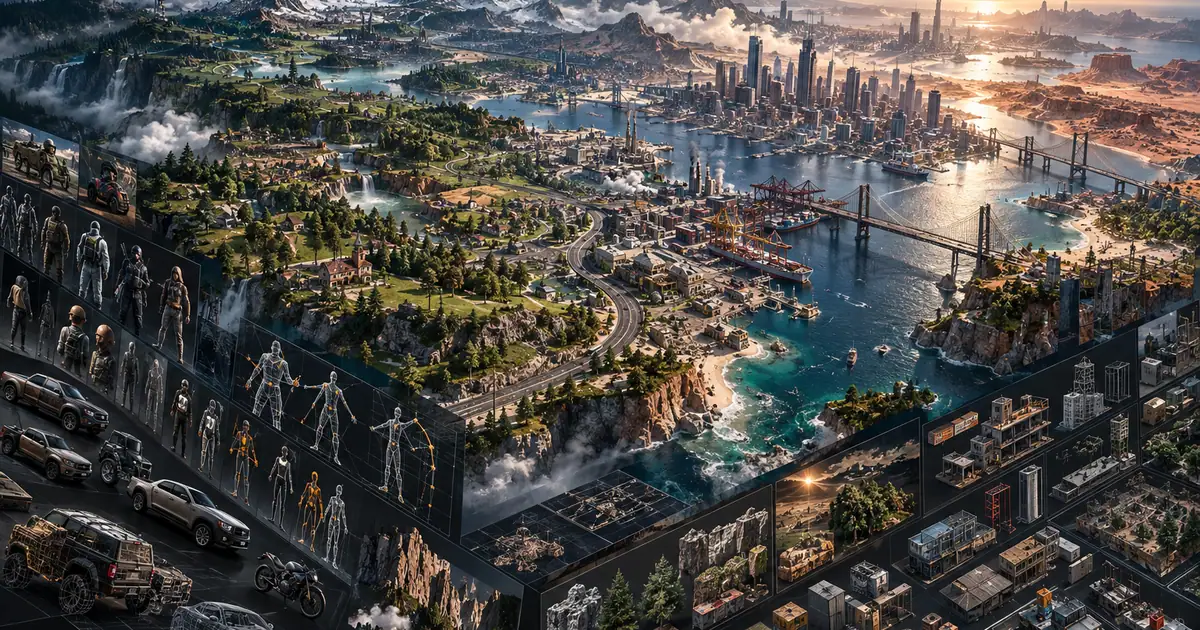
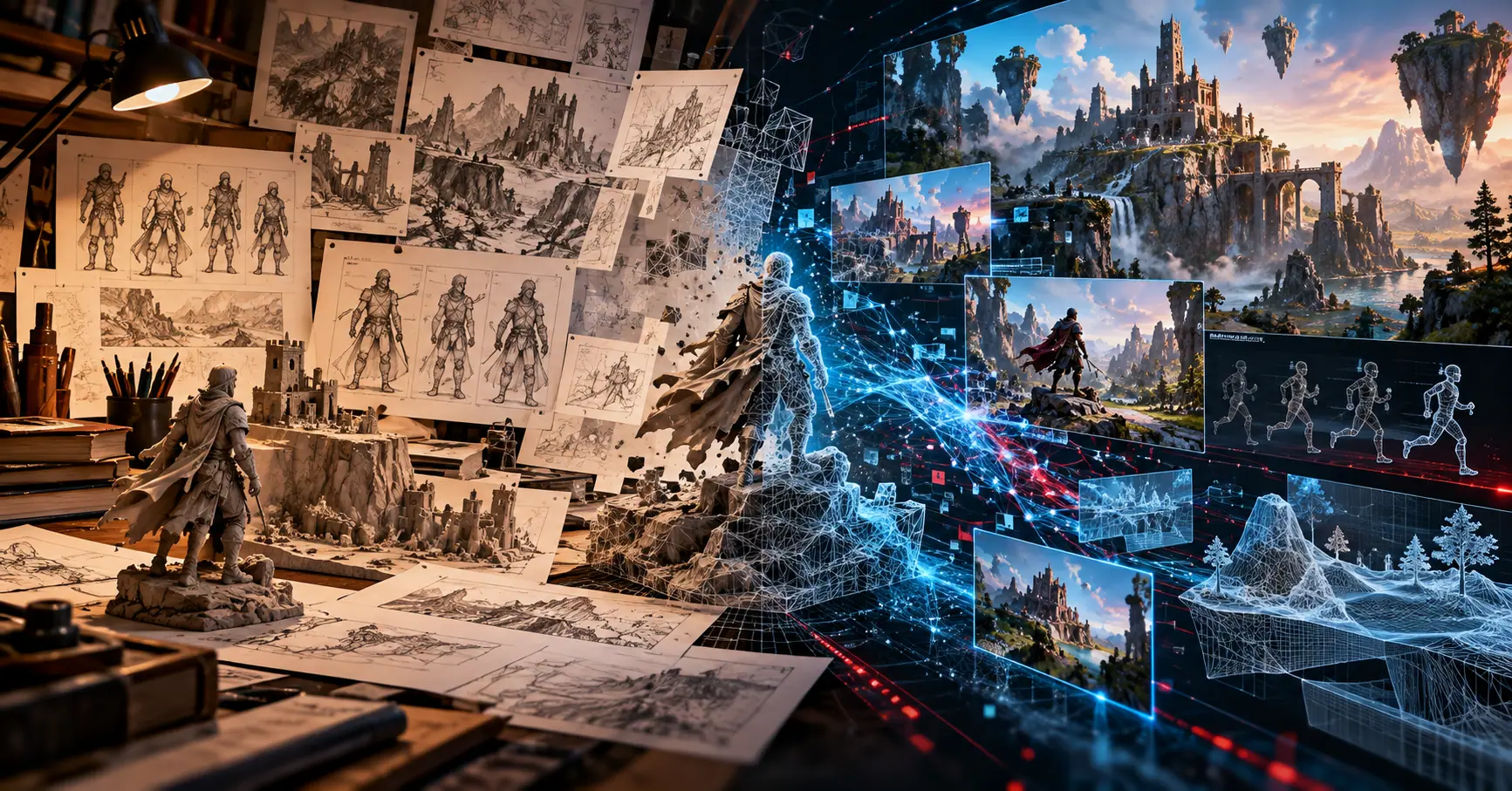
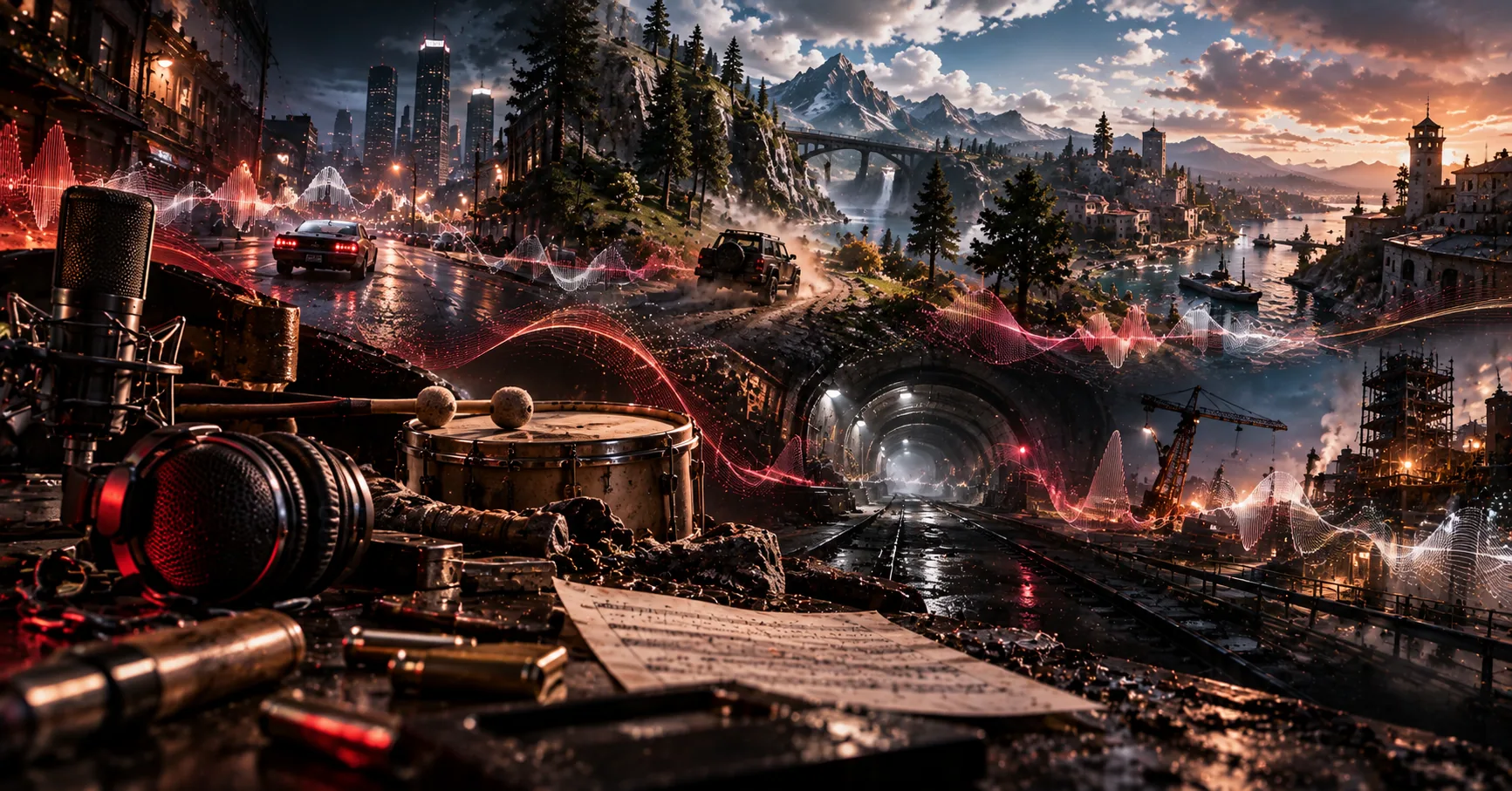
A modern video game can contain enormous environments, detailed characters, complex animation, artificial intelligence, physics, dynamic lighting, cinematic sequences, extensive sound design and online systems — all expected to work together without constantly reminding the player how complicated they are.
That's the important shift. Games have evolved from increasingly detailed pictures into increasingly complicated systems.
The result is impressive, but complexity has a price: more people, more tools, more testing and more time.
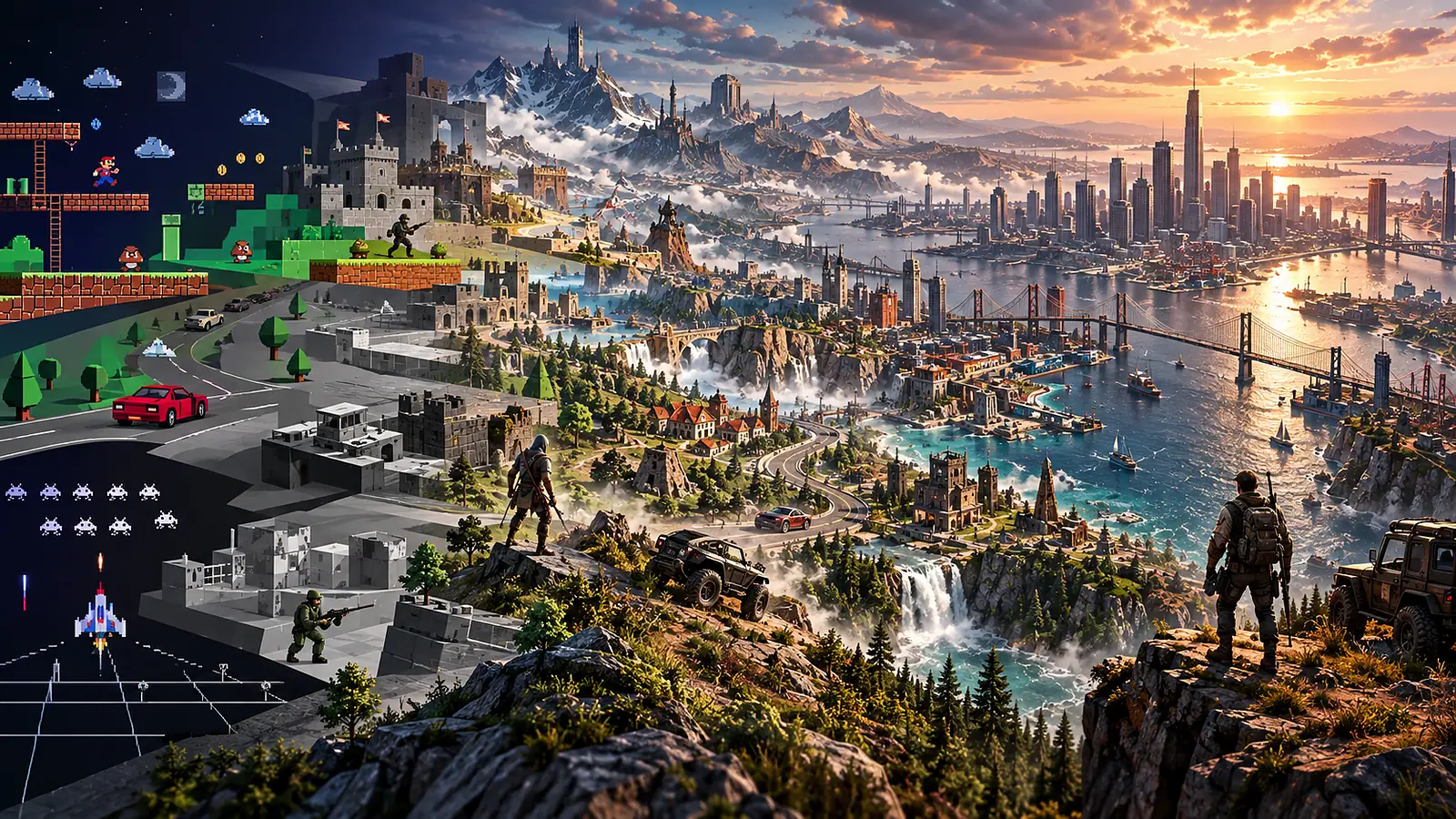
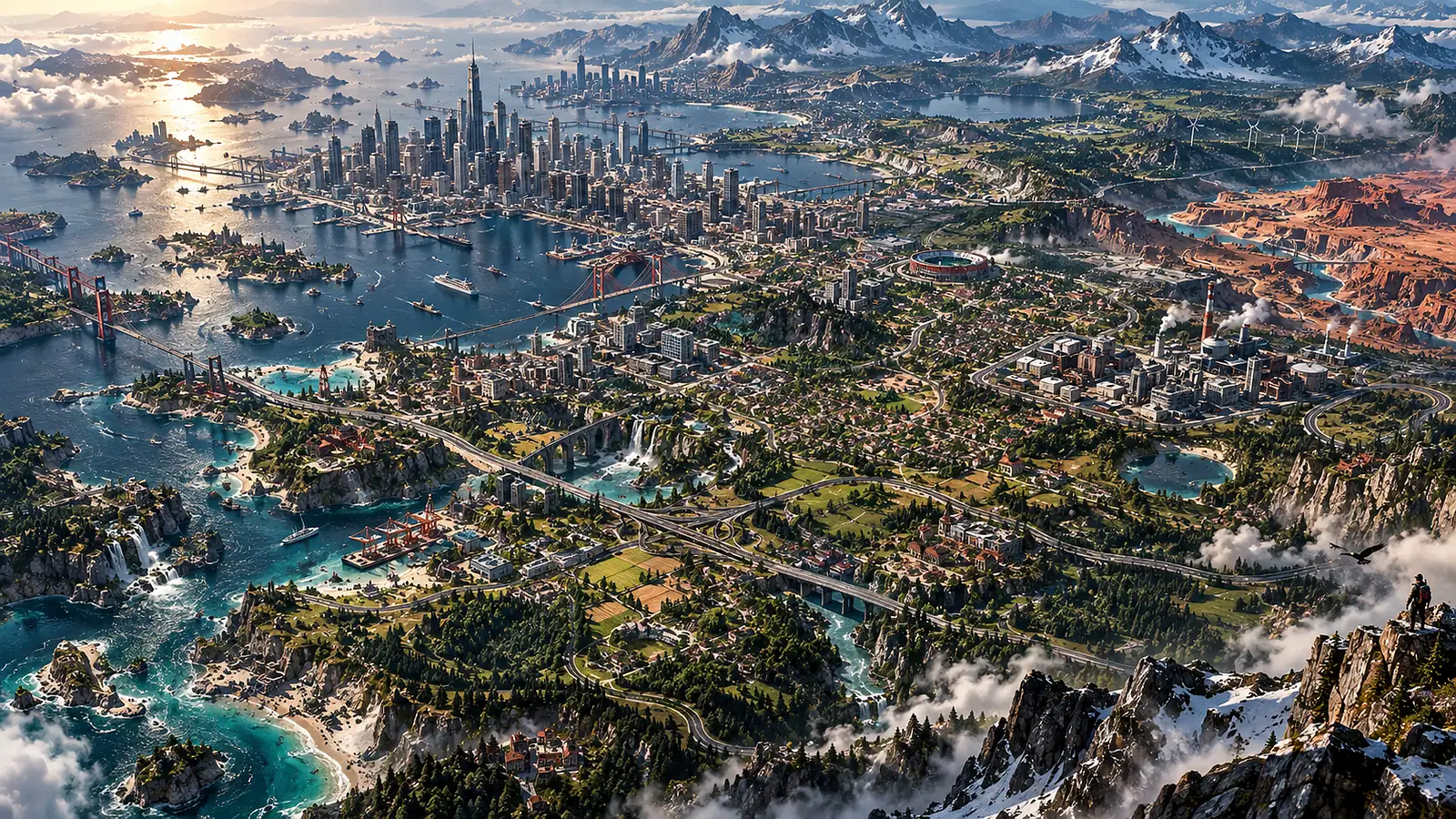
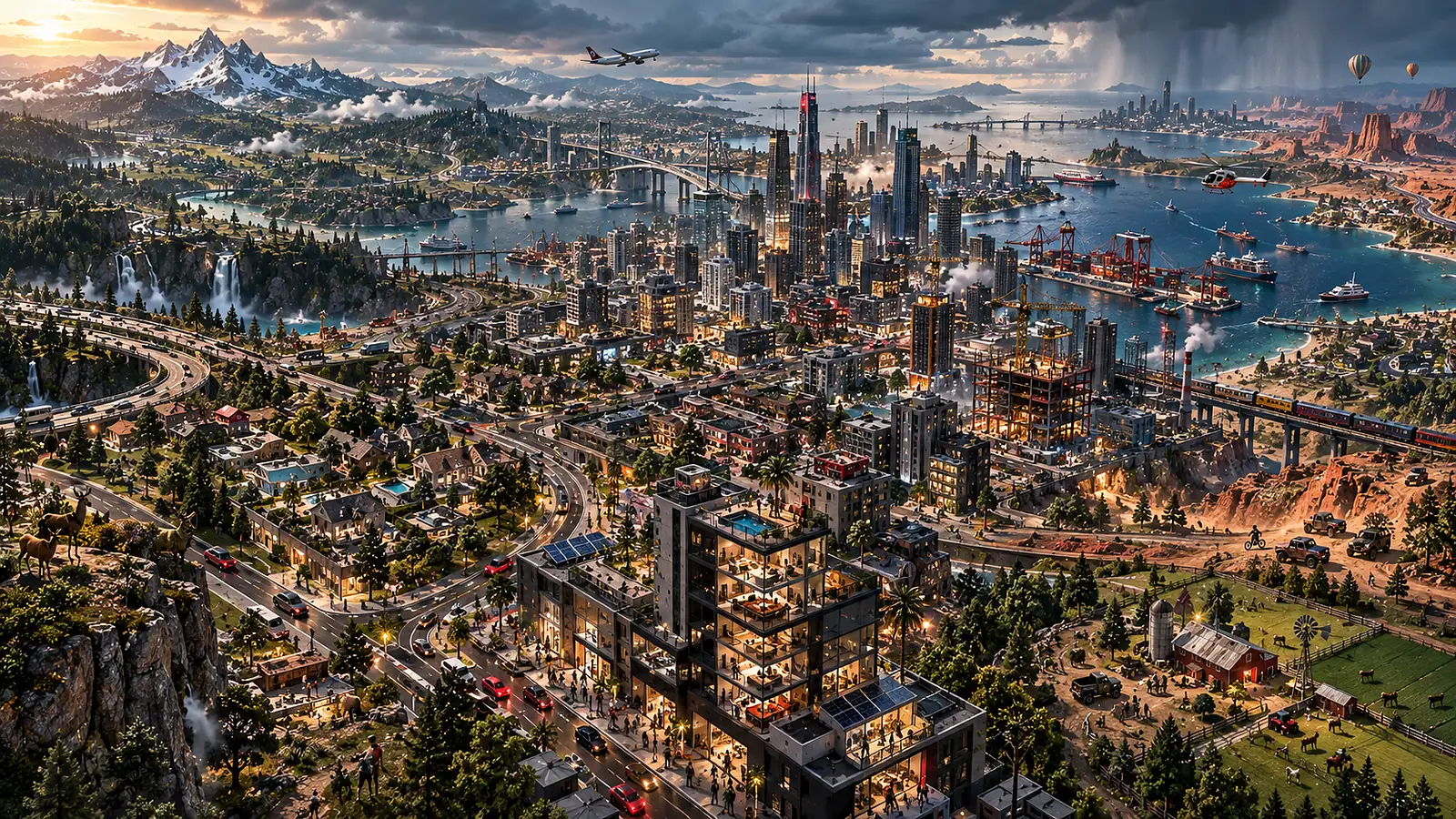
Think about walking through a modern open world. A single street can contain buildings, roads, signs, vehicles, pedestrians, lighting, weather, sound, collision systems, animation and background activity.
Then multiply that across an entire city — and then add countryside, interiors, missions, characters and everything the player can interact with.
The player sees one world. The development team sees thousands of connected pieces.
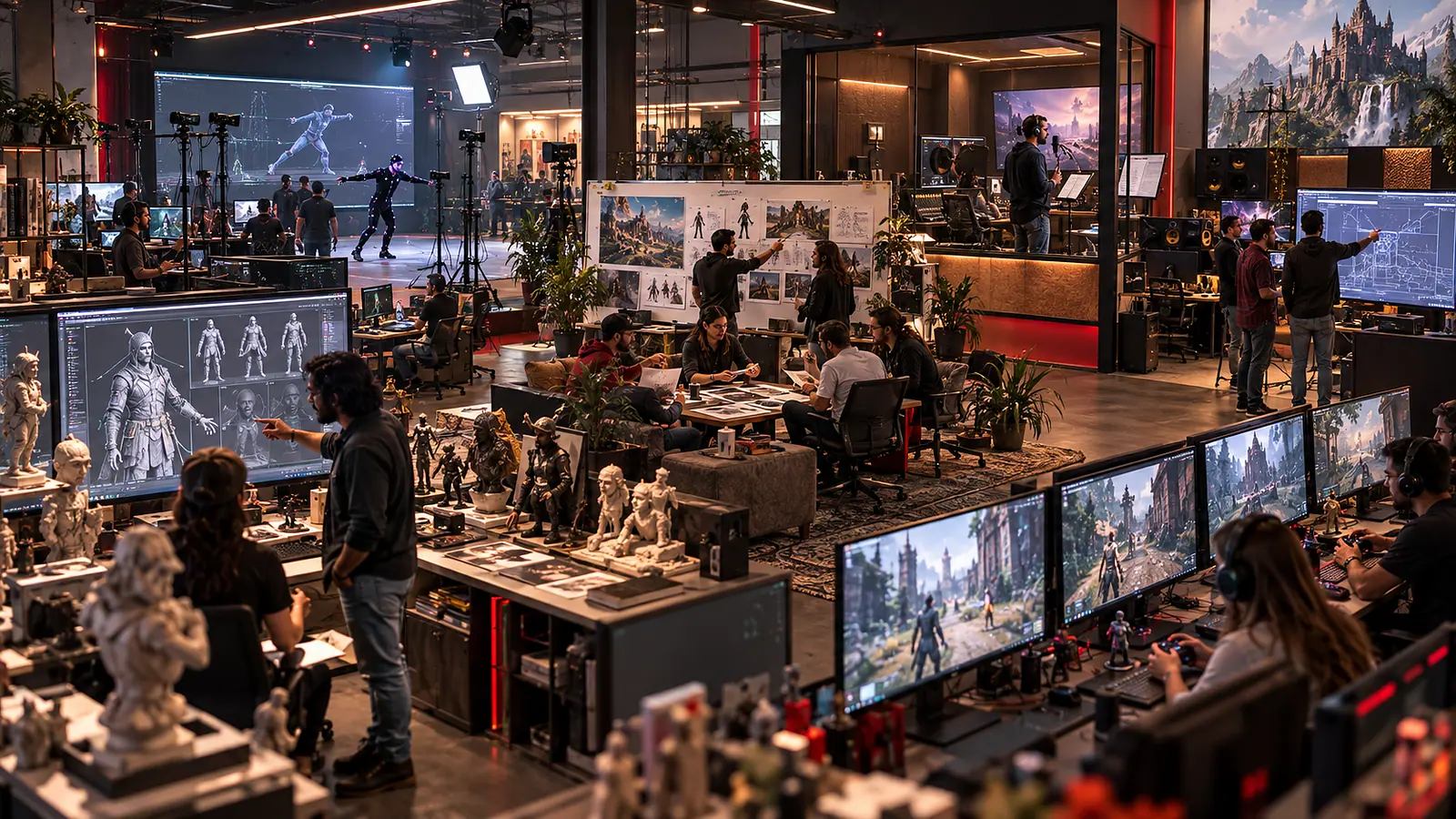
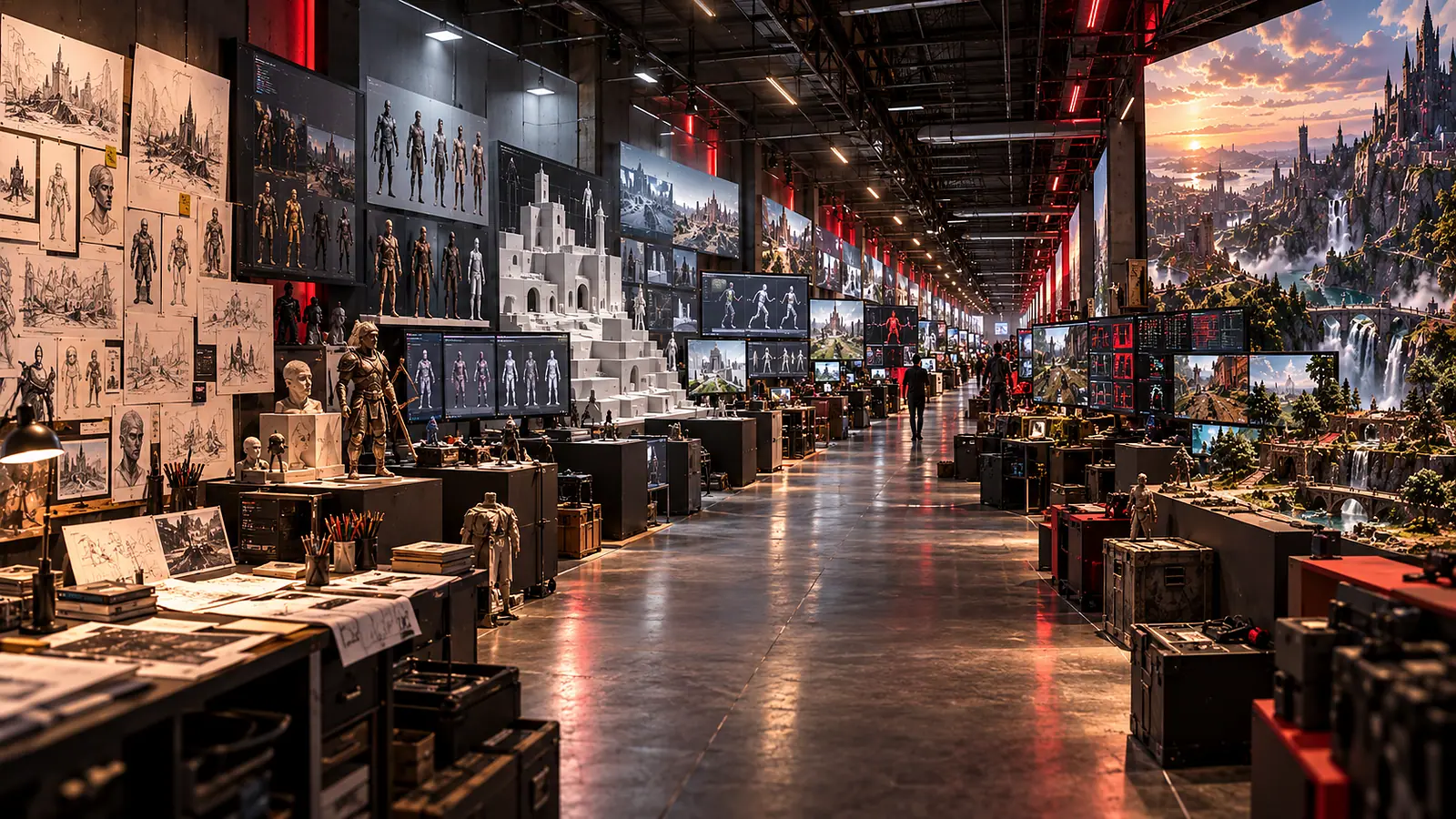
A modern AAA production can bring together programmers, designers, environment artists, character artists, animators, technical artists, writers, audio teams, producers, testers and specialists responsible for localization, accessibility and platform support.
These aren't isolated jobs. They depend on each other.
An environment artist needs the technology to display the environment. Animators need character systems. Designers need gameplay systems. Audio needs the final movement, environment and interaction systems to respond correctly.
A change in one area can create work somewhere else.
A modern game can have dozens of interconnected systems. When one changes, developers often have to check what else it affects.
A new animation can affect collision. A lighting change can affect performance. A world-system change can create bugs somewhere else. A new feature can require additional testing across multiple platforms.
This is one reason modern development isn't simply a straight line from idea to finished product.
It is a cycle of building, testing, fixing, optimizing and rebuilding.
In a linear game, developers can control much more tightly what the player sees and when they see it.
Open-world games remove much of that control.
Players can drive in different directions, enter different locations, approach missions from different angles and interact with systems in unexpected combinations.
That means the world has to be prepared for possibilities the developer cannot completely predict.
Streaming technology, artificial intelligence, world simulation, traffic, pedestrians, physics, environmental effects and countless other systems have to cooperate while the player moves through the world.
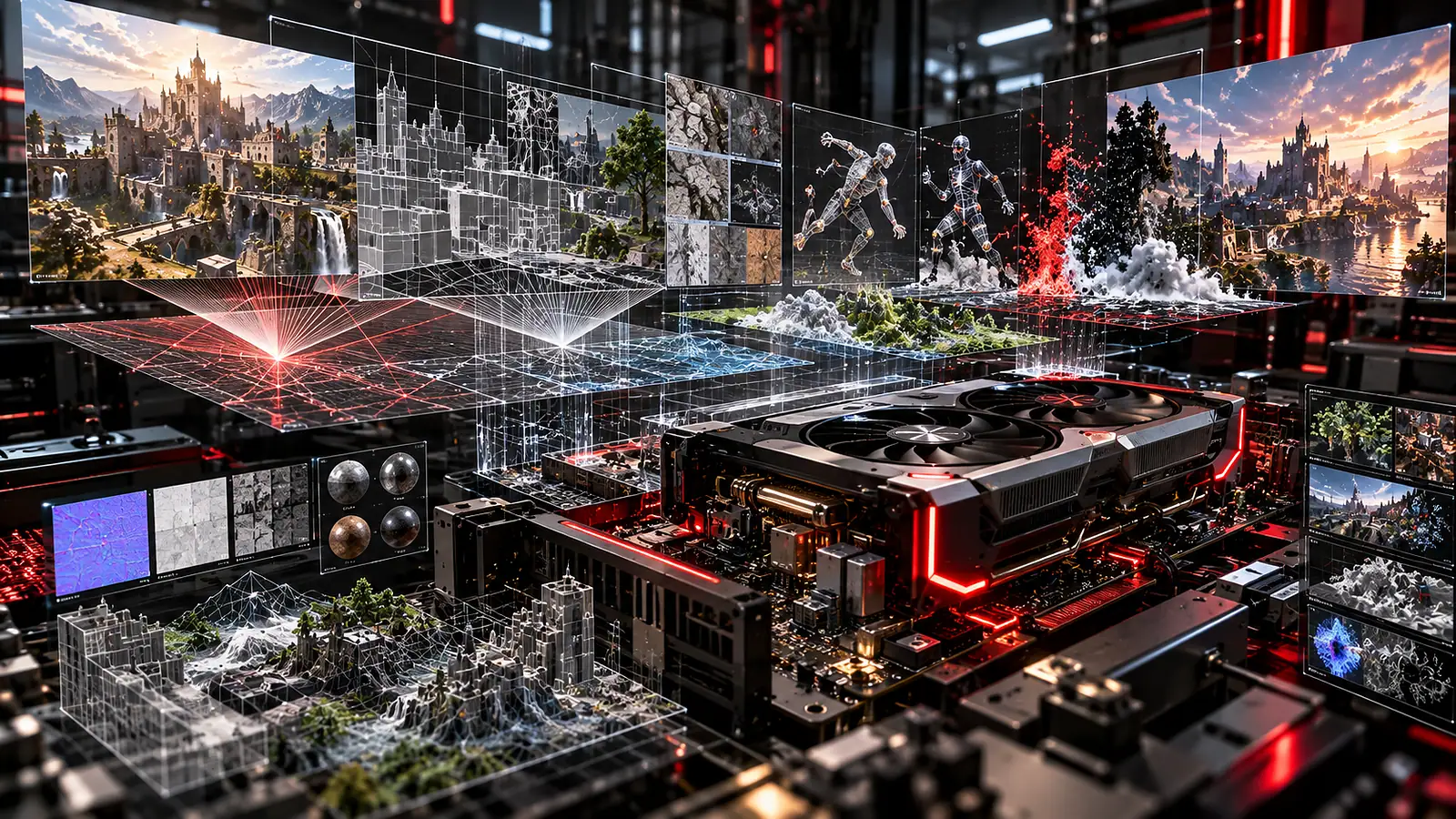
Modern game development depends on sophisticated engines and production tools.
Developers need systems for rendering, animation, physics, artificial intelligence, lighting, audio, world building, asset management, debugging and performance optimization.
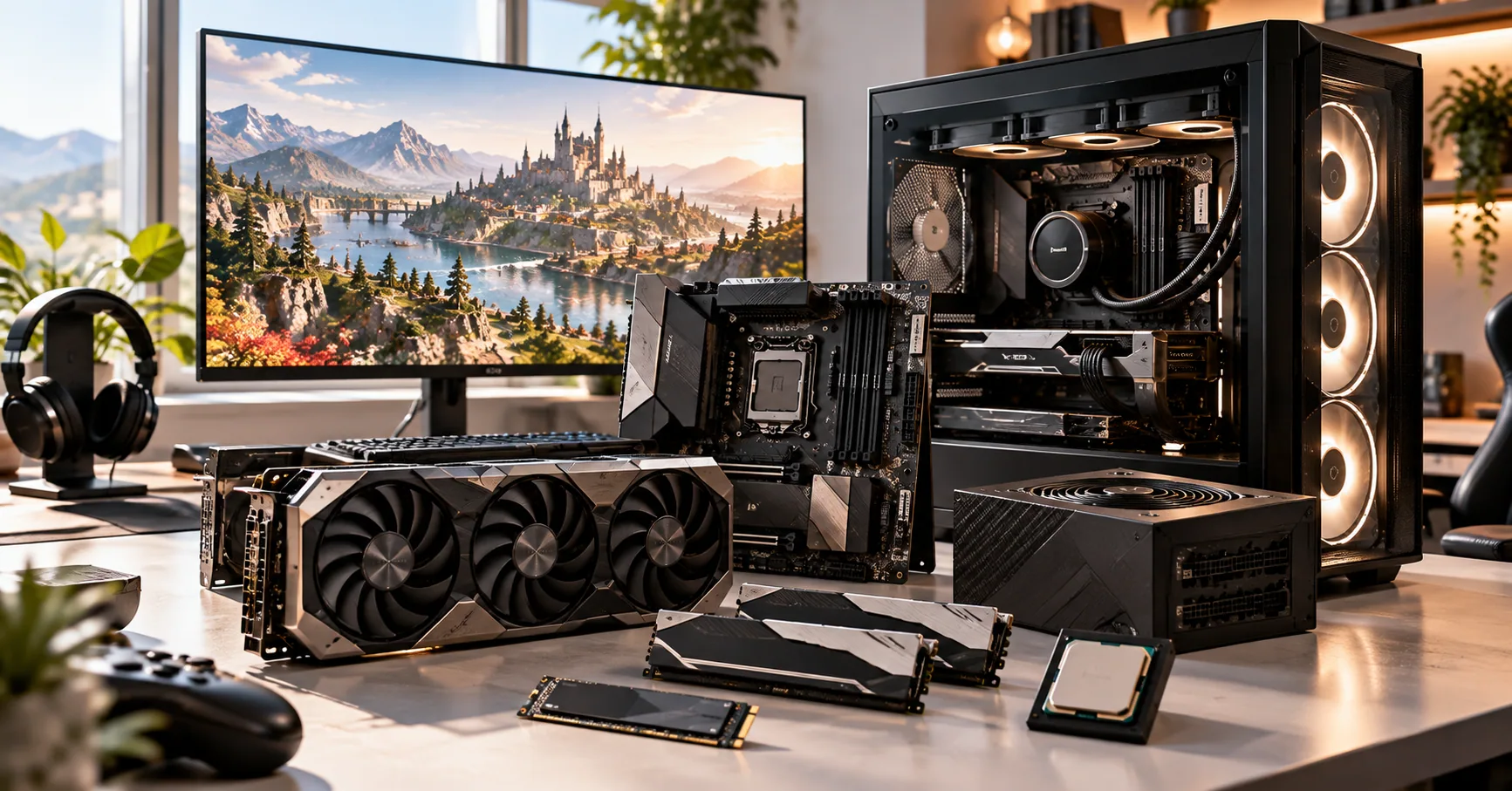
The technology doesn't just have to make the game look good on a powerful development machine. It has to work on the hardware players actually own.
That makes optimization a major part of the job.
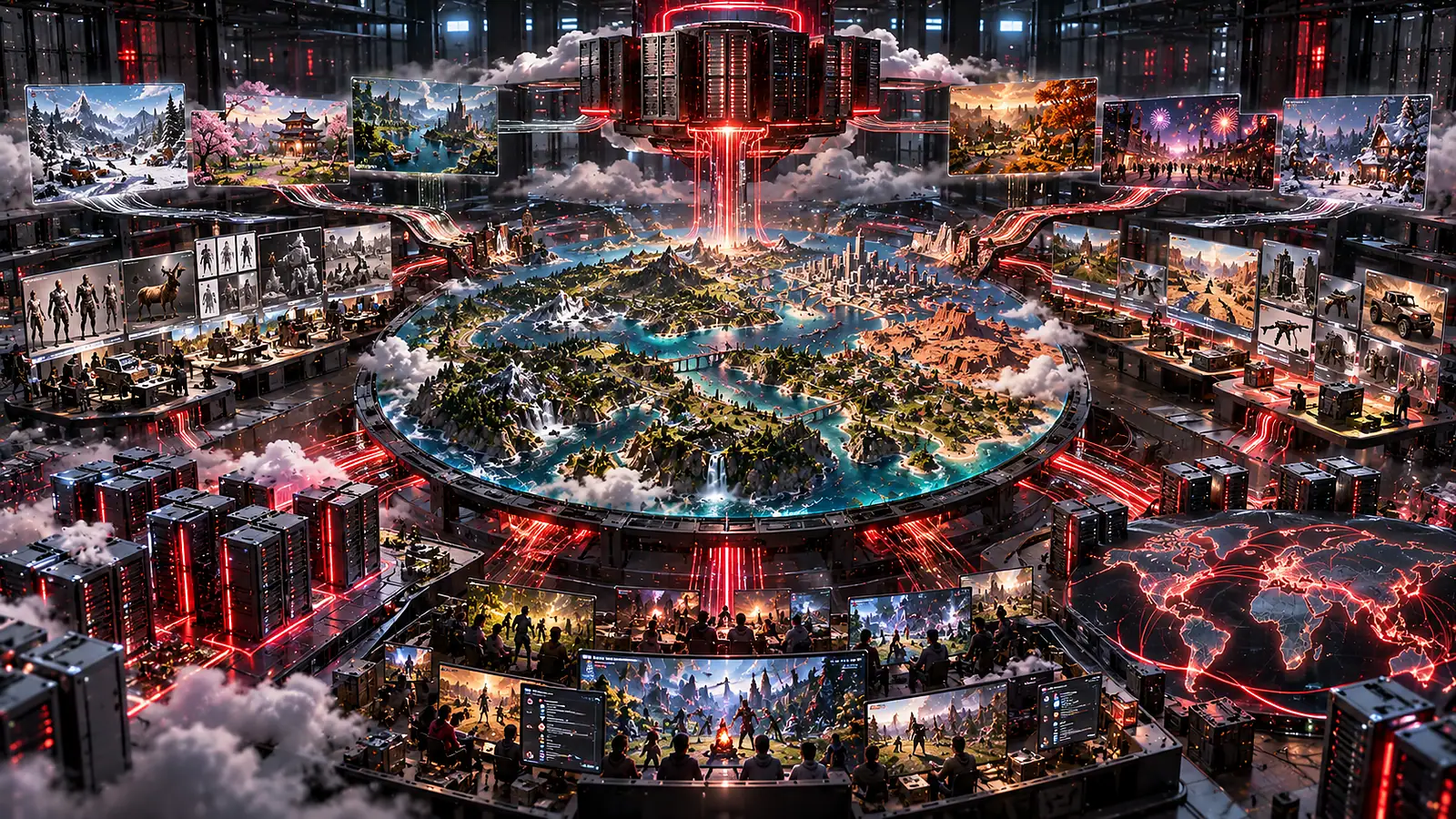
Online games and long-running titles can require continued development after release.
New content has to be created. Servers have to be maintained. Bugs have to be fixed. Systems have to be balanced. New hardware and operating-system requirements may need support.
This changes the economics of a game.
A studio isn't necessarily building something that will be finished once it ships. It may be building a product that has to continue functioning — and giving players reasons to return.
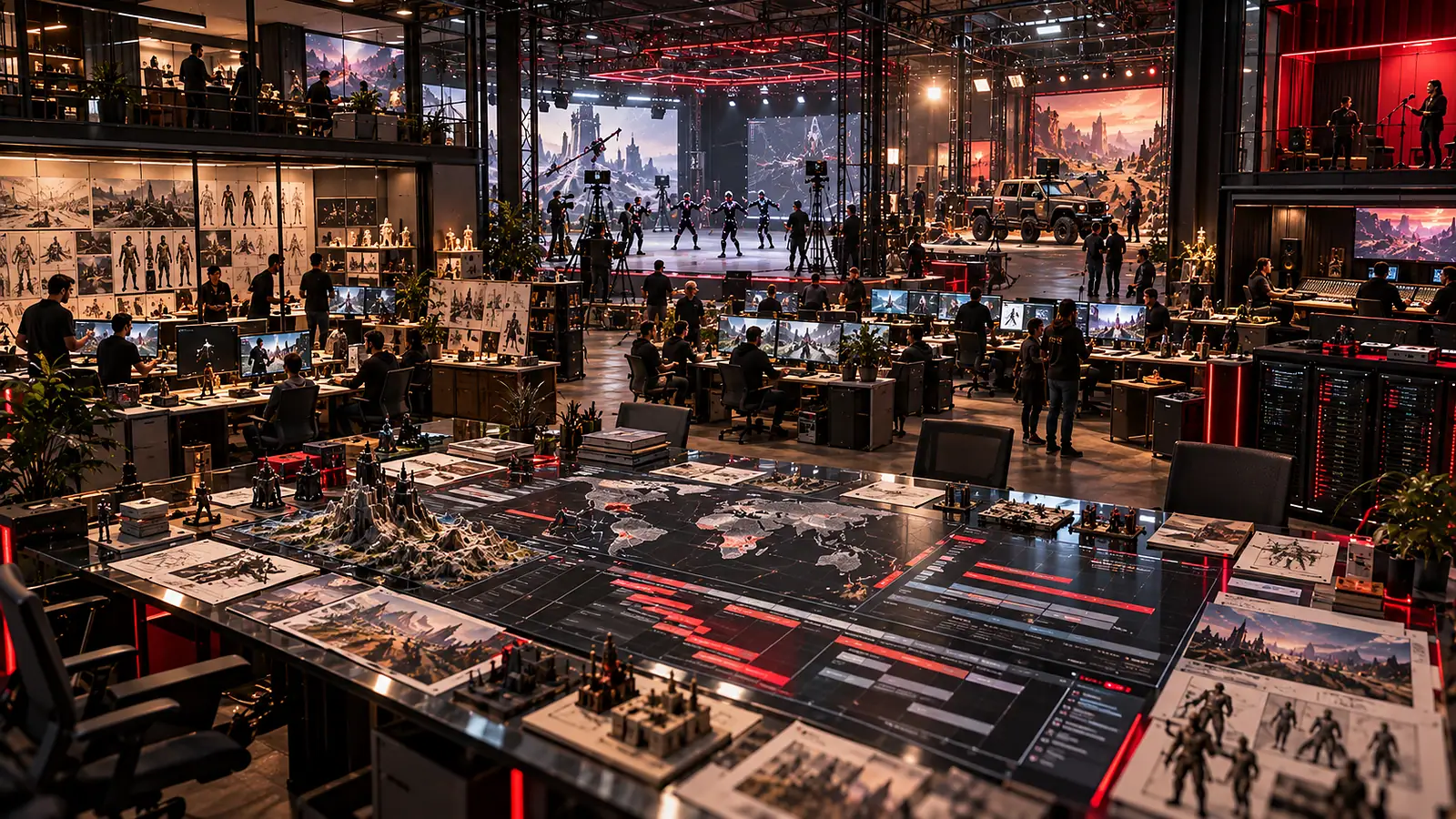
The money doesn't go into one thing.
It can cover years of salaries, technology, outsourcing, motion capture, voice recording, infrastructure, testing, localization, quality assurance and other production requirements.
Marketing and sales can add another major expense on top of development itself. BCG's analysis found that sales and marketing costs had also risen substantially at major publishers.
Frequently Asked Questions About Modern Game Development
Modern video games have become larger, more detailed and more expensive to produce. These answers explain why AAA development takes so long, where the resources go, and why game production has become increasingly complex.
Why are modern video games so much bigger than older games?
Modern games often combine larger worlds with higher visual detail, more animation, sophisticated AI and physics, extensive audio, cinematic presentation, online features and post-launch support. Each additional system increases the amount of content that has to be designed, built, tested and maintained.
Why does AAA game development take so long?
AAA projects require large teams to build and integrate many interconnected systems. Development also involves testing, optimization, localization, certification and platform support. A SIGGRAPH 2025 presentation showed average development time reaching about 50 months for games released in 2024, compared with about 25 months in 2006.
How much does it cost to make a modern AAA game?
Budgets vary significantly and publishers do not always disclose them. McKinsey's current gaming analysis describes AAA productions commonly involving roughly $200 million to $500 million and around three to five years of development.
Why do modern games need such large development teams?
A major game can involve programmers, designers, artists, animators, technical artists, writers, audio specialists, producers, quality assurance teams, localization specialists and many other roles. Large projects may also involve several studios working together.
Are graphics the main reason games cost more to make?
Graphics are only one factor. Modern games can contain complex animation, physics, artificial intelligence, world simulation, cinematics, audio, accessibility features, online systems and post-launch content. The combination of these systems contributes to production complexity.
Why are open-world games especially expensive?
Open-world games require large amounts of interconnected content. Developers may need to build environments, missions, characters, vehicles, animations, AI, world simulation and streaming systems while making sure those systems work together across a large playable space.
Do bigger game budgets guarantee better games?
No. A larger budget provides additional resources, but it does not automatically determine a game's creative quality or reception. Design decisions, production management, creative direction and execution also matter.
Why do games continue receiving updates after launch?
Many modern games continue to receive technical fixes, accessibility improvements, new content, balance changes and other updates after launch. This means development can continue long after the initial release.
Are all modern games expensive to make?
No. Development budgets vary enormously. Independent and smaller-scale games can be created by relatively small teams, while major AAA productions can require hundreds of millions of dollars and years of development.
Why can't every studio simply make a smaller game?
Studios choose projects according to their creative goals, business models, technology, audience expectations and available resources. Some developers deliberately focus on smaller games, while others pursue large-scale productions that require substantially more investment.

Junaid
Founder & Editor-in-Chief at Barlin Games
Founder and Editor-in-Chief of Barlin Games, covering games, studios, developers, gaming culture, and the stories behind the industry.