Why Do Open-World Games Make Us Want to Explore Every Corner?
Why do we ignore the main mission and explore every corner of a game world? Discover how curiosity, hidden stories, meaningful rewards and player freedom turn exploration into an adventure of its own.
On This Page Explore this article
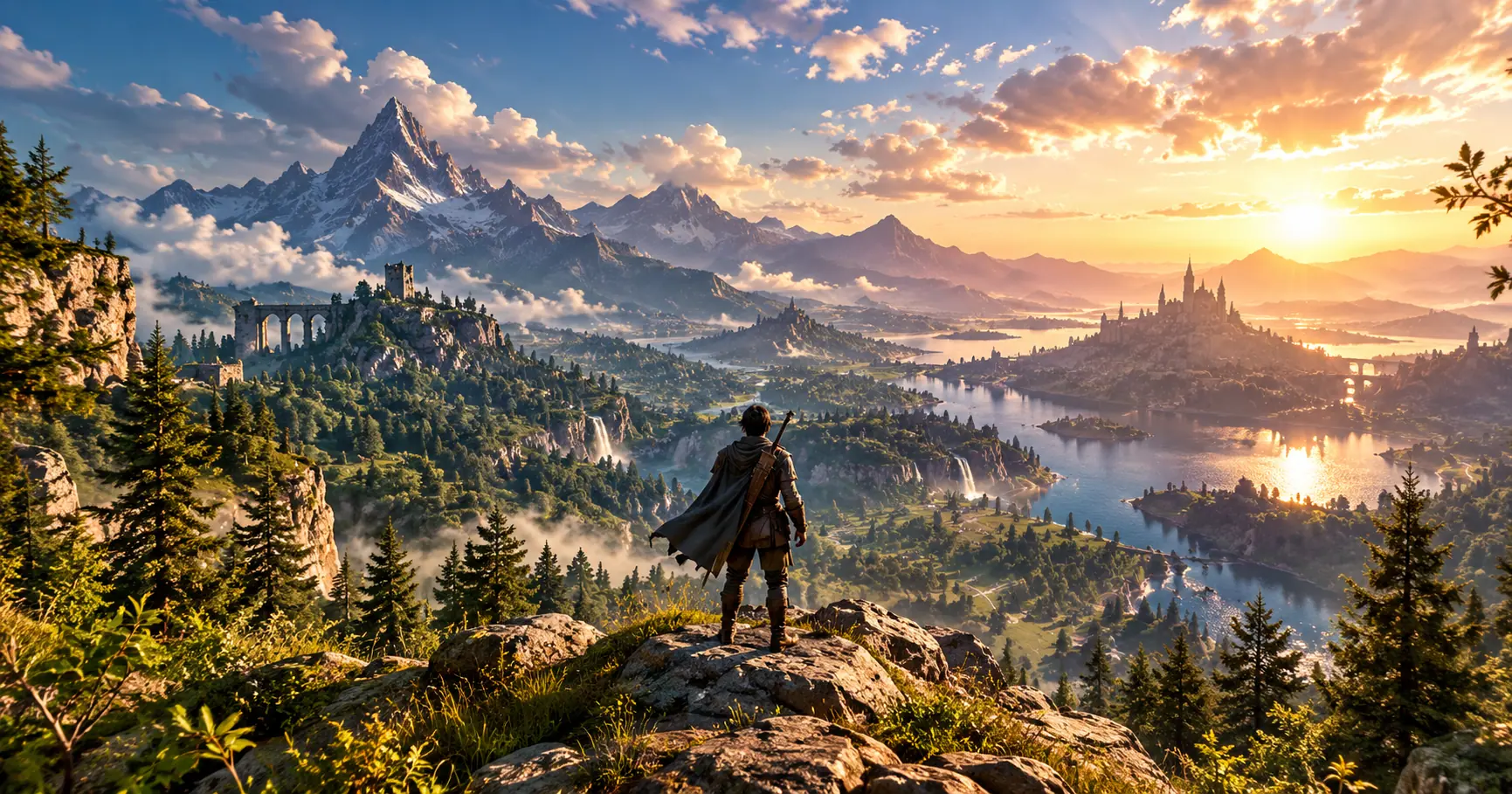
This is one of the great pleasures of open-world games: the freedom to get distracted. In a tightly directed game, the next objective often decides where you go and what you do. In an open world, the main mission might be only one possibility among dozens.
You might notice a road disappearing into a forest, a building sitting alone on a hill or a small island that doesn't appear important at first. None of these places has to be part of your current objective. The fact that you don't know what you'll find is precisely what makes them tempting.
The most memorable adventure sometimes begins when you stop following the plan.
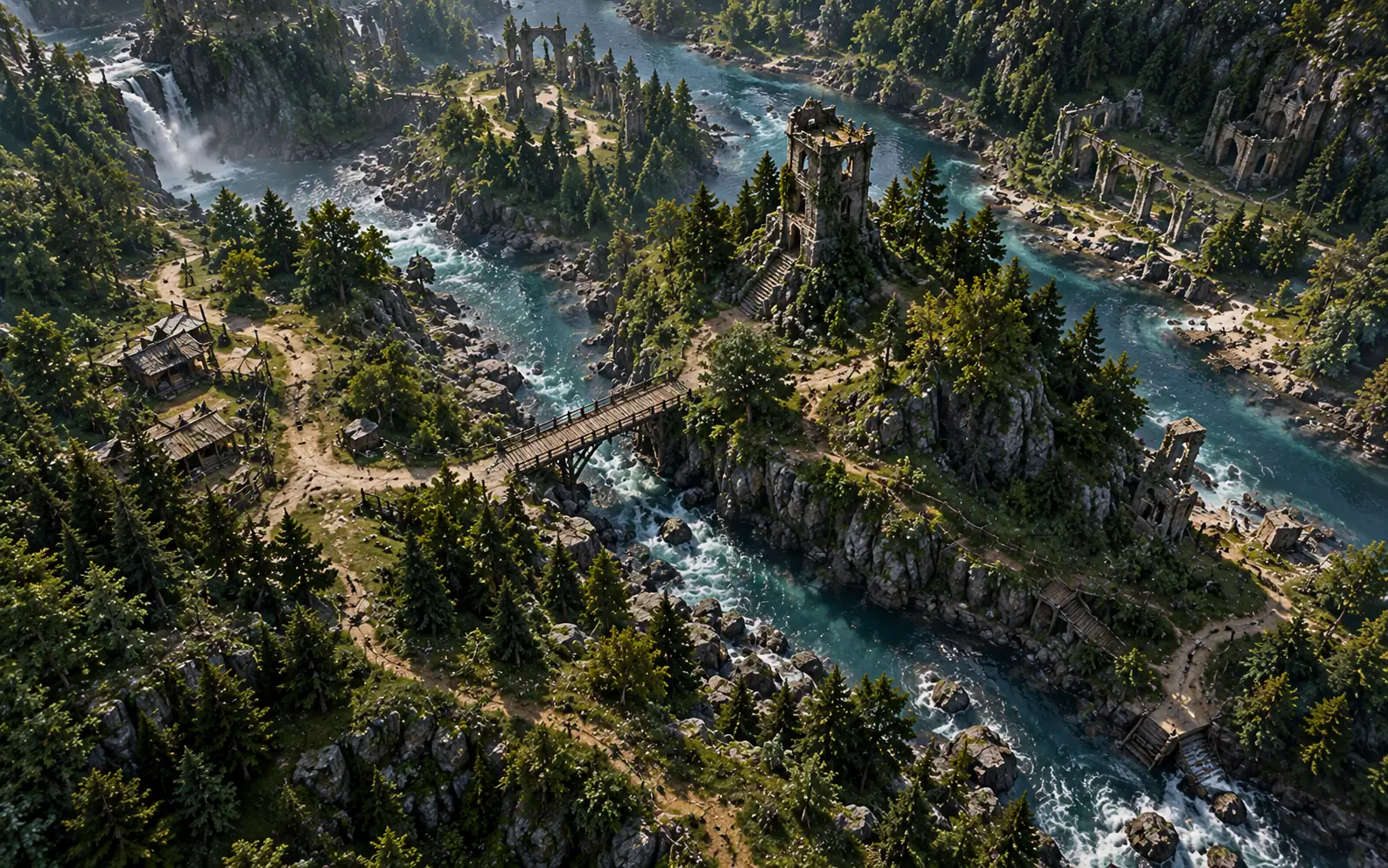
Game designers understand that players naturally look for interesting things. A strange silhouette on the horizon, a path leading between trees or a light glowing in the distance can suggest that something worth discovering lies ahead.
In an interview about open-world design, Bethesda's Todd Howard described the importance of creating worlds that pique curiosity and reward exploration. Ubisoft's discussion of Far Cry 5 also explains how the landscape itself can invite players to investigate places without relying entirely on mission markers.
The clever part is that the game doesn't always have to tell you what to do. It can simply give you a reason to wonder.
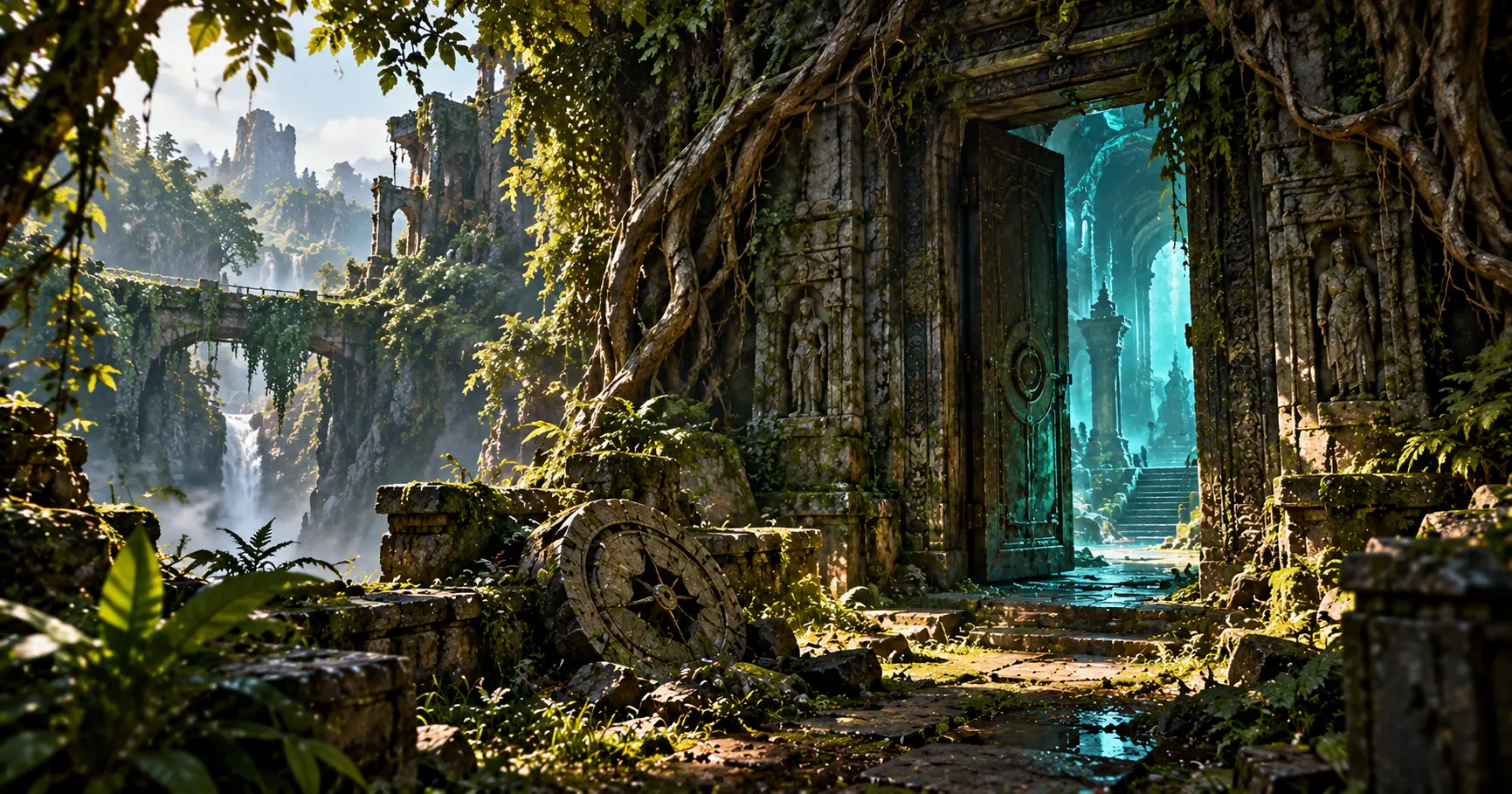
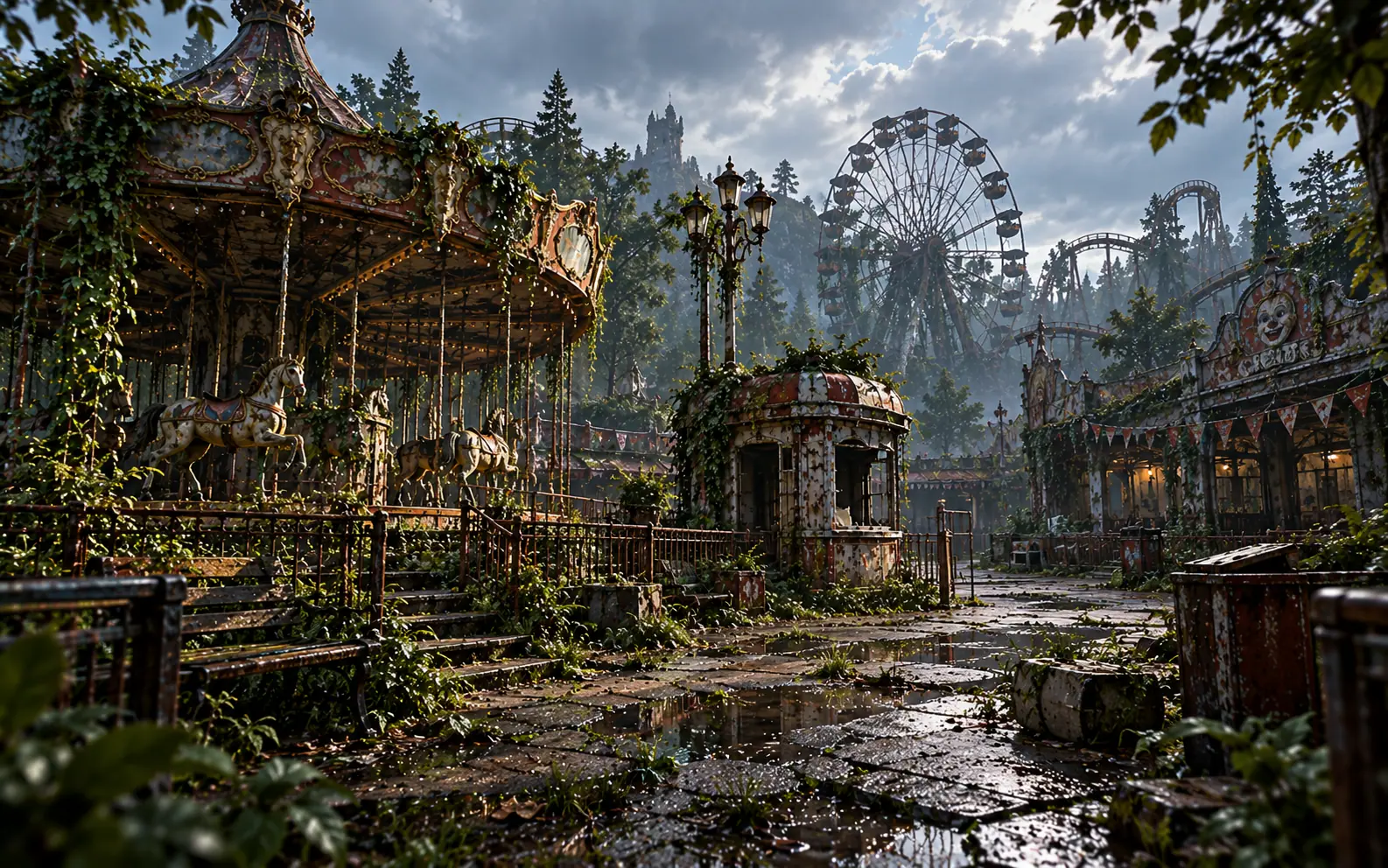
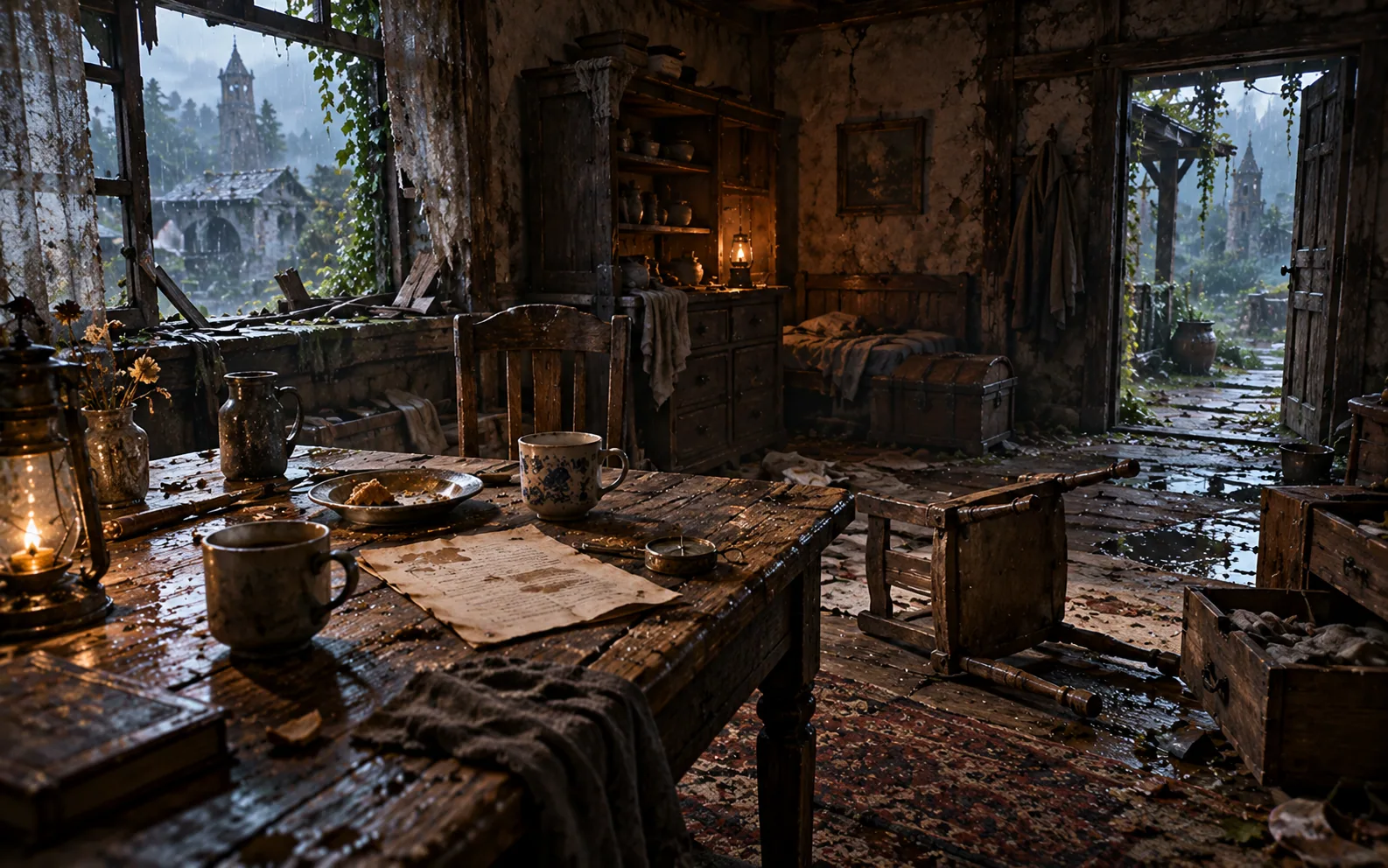
You enter an abandoned building and notice a broken door, scattered supplies and a table that looks as though someone left in a hurry. The game doesn't explain the scene. You begin building a story from the clues.
This is environmental storytelling: using the layout of a place, objects and visual details to suggest events or history. In an open world, it gives players reasons to investigate locations beyond their immediate usefulness.
Red Dead Redemption 2 provides an example of a world where travel, settlements, wilderness and small environmental details can make a journey feel like more than moving between missions. Rockstar's official description highlights its frontier setting and the range of places and activities players can explore.
The reward isn't always a treasure chest. Sometimes, it's understanding a little more about the world.
Games can reward exploration with new equipment, shortcuts, collectibles and useful resources. But they can also reward curiosity with a beautiful view, an unexpected encounter, a piece of story or a new way of understanding a familiar location.
Sometimes the most satisfying moment is realising that the strange path you noticed earlier leads somewhere meaningful. The reward is partly the destination and partly the fact that you found it yourself.
- Finding a place you weren't expecting.
- Learning something new about the game world.
- Solving a problem through observation.
- Reaching a difficult location using your own route.
- Encountering a memorable event away from the main story.

Frequently Asked Questions About Open-World Games
Open-world games give players the freedom to explore, discover hidden places and create their own adventures. These answers explain why exploration feels rewarding and what makes an open world enjoyable.
Why do open-world games make players want to explore?
Open-world games can spark curiosity through distant landmarks, unusual locations, hidden stories and opportunities to discover things independently. Exploration feels rewarding when players have meaningful reasons to investigate the world.
What makes a good open-world game?
A good open-world game offers interesting places to discover, engaging activities, coherent world design and meaningful freedom. A large map alone does not guarantee an enjoyable exploration experience.
What is environmental storytelling in open-world games?
Environmental storytelling uses locations, objects, architecture and visual details to suggest events or history. Players interpret these clues instead of receiving every explanation through dialogue or cutscenes.
Why is exploration important in The Legend of Zelda: Breath of the Wild?
Exploration is a central part of its open-air adventure. Players can investigate landmarks, travel across varied terrain, discover locations and choose their own routes through the world.
Why is Minecraft fun to explore?
Minecraft lets players discover terrain, resources, caves and new locations while deciding what to build or do next. Its open-ended nature allows different players to create different adventures.
Do open-world games need hidden secrets?
Not necessarily, but secrets and unexpected discoveries can reward curiosity. Exploration can also be enjoyable through interesting environments, encounters, stories and the freedom to choose a route.
What is open-world fatigue?
Open-world fatigue describes feeling overwhelmed or bored by large worlds, repetitive activities, excessive map markers or too many tasks. It can happen when the amount of content outweighs its variety or meaningfulness.
Can you enjoy an open-world game without completing every mission?
Yes. Many open-world games let players explore, build, discover locations or focus on selected activities without completing every optional objective. The best approach depends on what you enjoy about the game.

Junaid
Founder & Editor-in-Chief at Barlin Games
Founder and Editor-in-Chief of Barlin Games, covering games, studios, developers, gaming culture, and the stories behind the industry.