Why Do Some Video Games Feel So Real Even When They're Not?
Why can a fictional game world feel so real? Explore how world design, player choices, sound, storytelling and emotional connections make games feel alive.
On This Page Explore this article
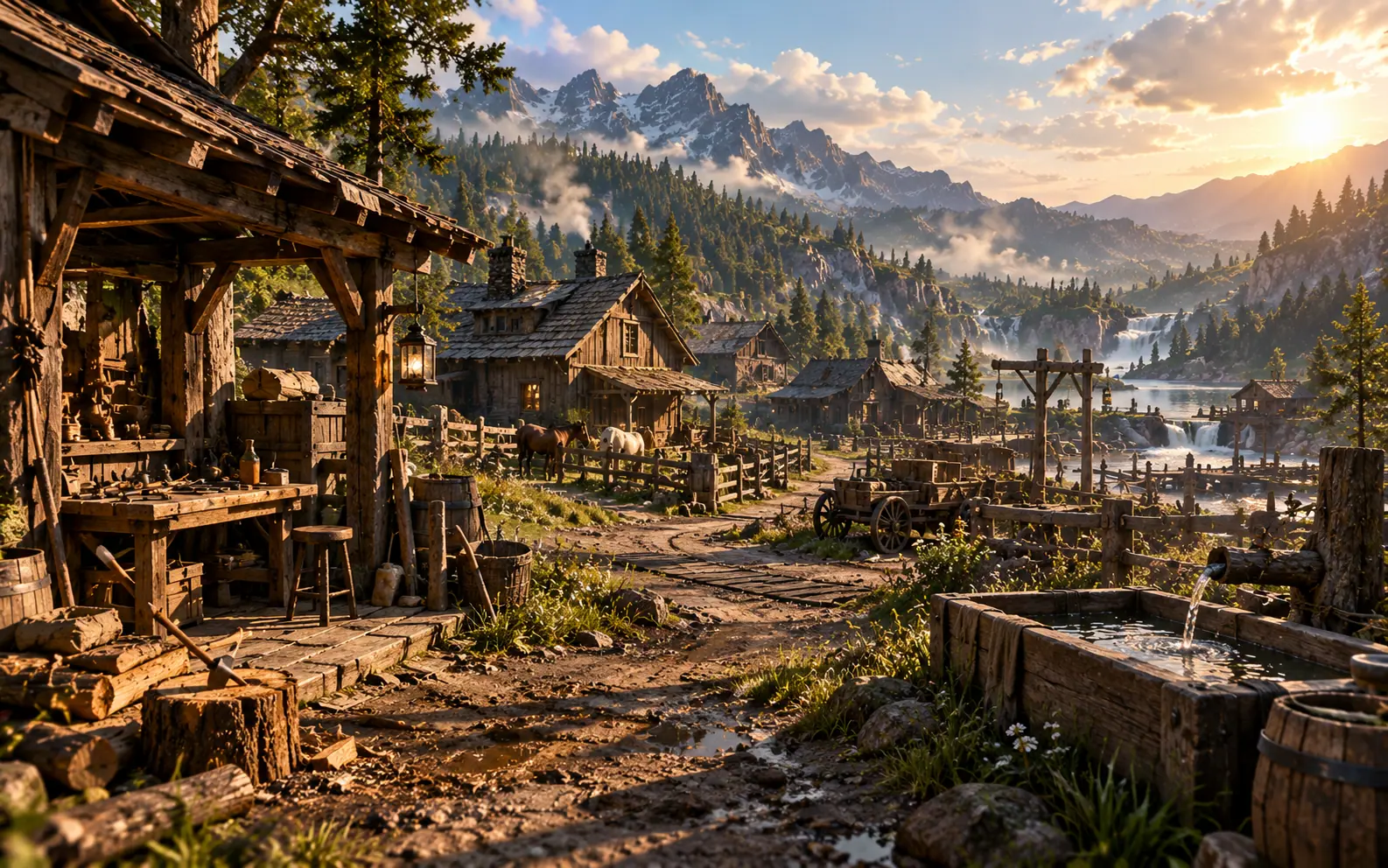
Imagine a beautifully rendered village where nobody reacts to anything and every building feels like a decoration. Now imagine a simpler village where the buildings have purpose, the surroundings suggest a history, and small details make the place feel inhabited.
The second world may be more convincing even if it looks less realistic.
This is where environmental storytelling comes in. Developers can use objects, architecture, lighting and the arrangement of a scene to suggest that something happened before the player arrived. Rather than explaining every detail through dialogue, the environment invites players to notice clues and draw their own conclusions.
A world feels more complete when its details seem to belong there.
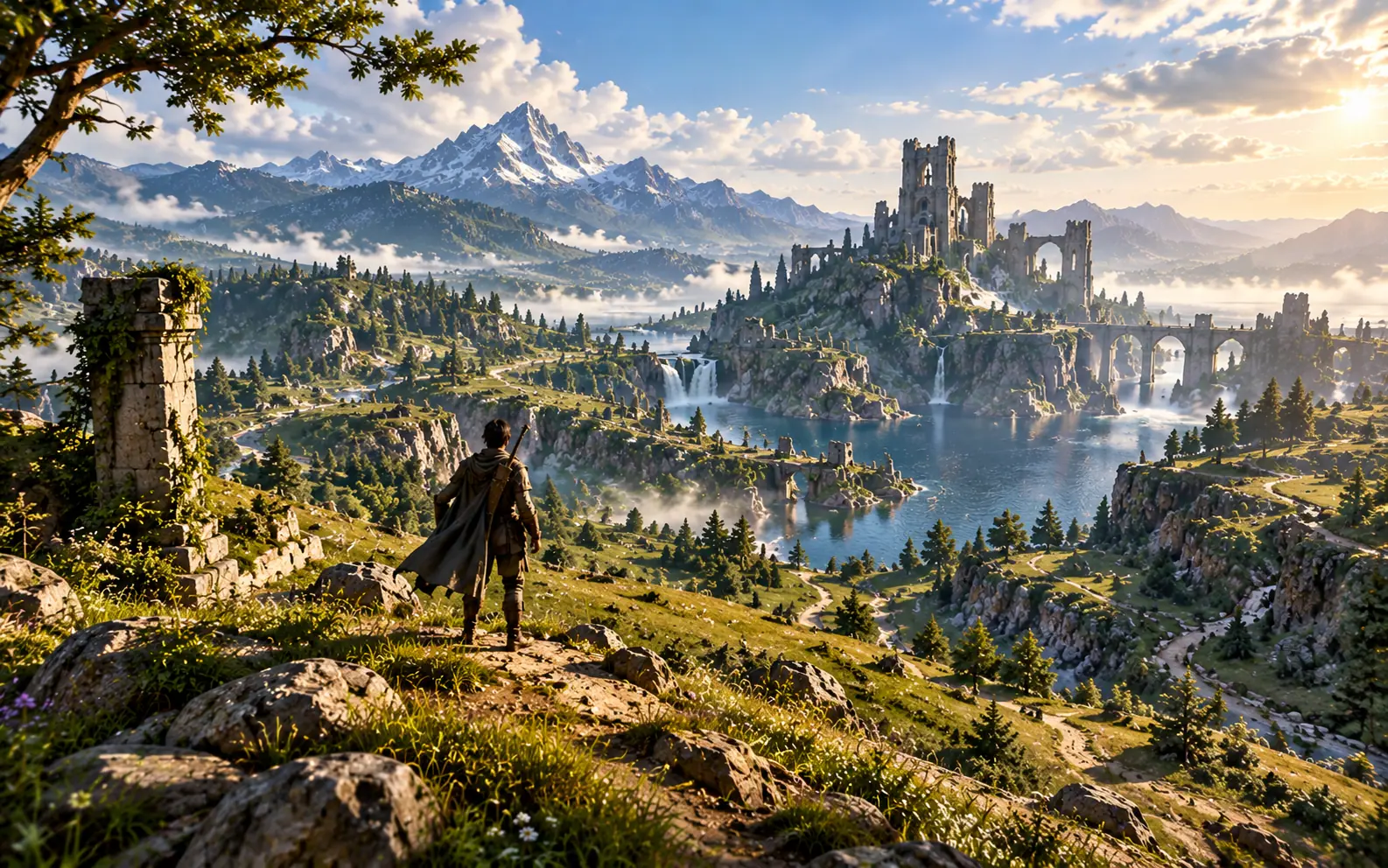
The Legend of Zelda: Breath of the Wild gives players reasons to look beyond the obvious route. A distant structure, a mountain or an unusual landmark can become an invitation to explore.
The reward isn't always a powerful item or a major story revelation. Sometimes, the satisfaction comes from finding something simply because you were curious.
This connects to player agency: the opportunities players have to act, explore, build or influence an experience. Agency doesn't require every decision to change the ending. Choosing a route, experimenting with a mechanic or discovering a hidden location can be meaningful in its own right.
Research on player agency describes different forms of meaningful action, including exploration and construction.
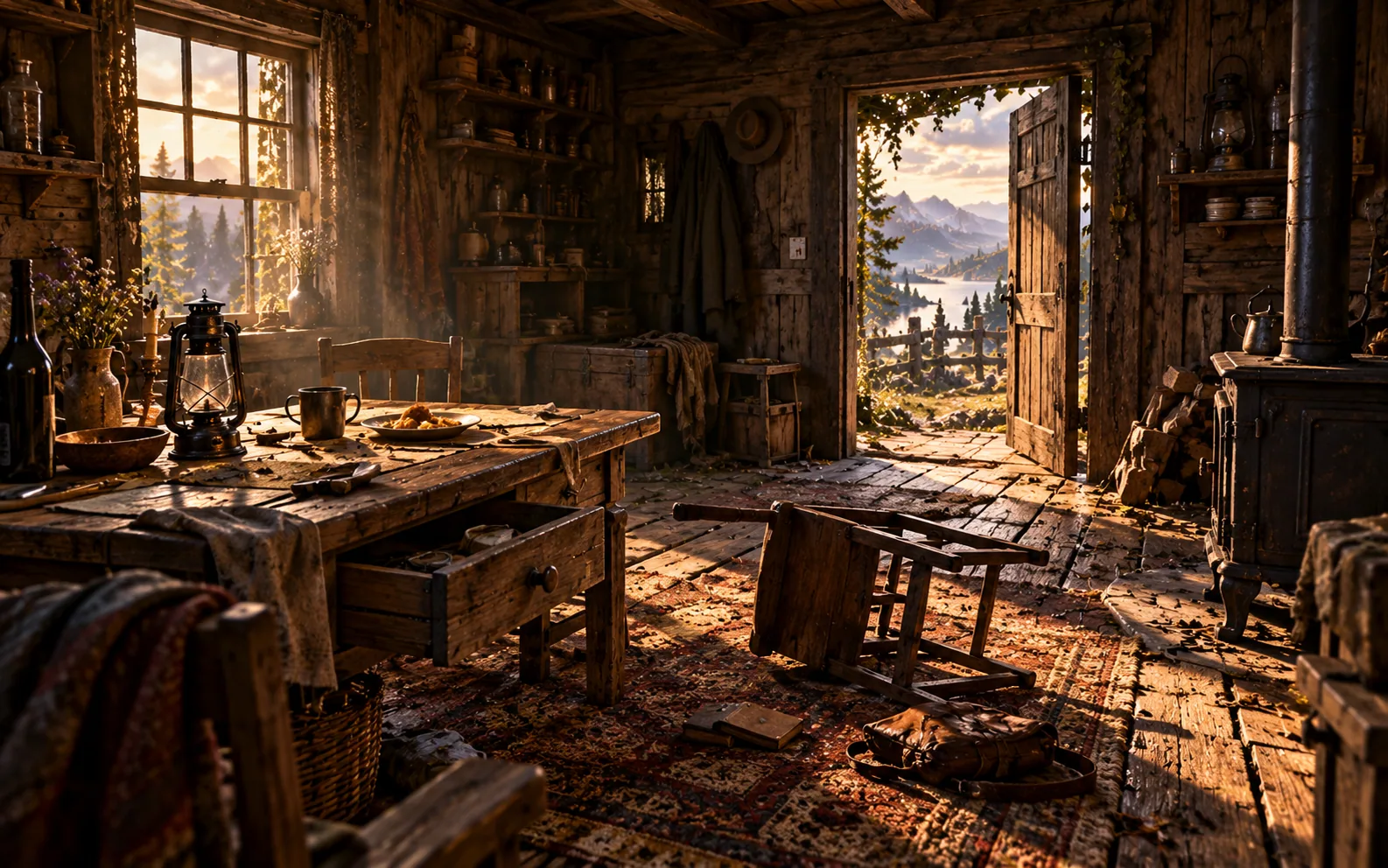
Imagine entering a deserted building. A chair is overturned, a meal has been left untouched and a door stands open. The game hasn't told you what happened, but your mind starts connecting the clues.
Environmental storytelling works by giving players details they can interpret. Research into game environments has examined how objects, spatial arrangements and other visual cues can shape the stories players construct for themselves.
King's College London
+1
Minecraft offers a different kind of personal meaning. Its block-based world doesn't attempt photorealism, but a home, farm or path built by the player can represent hours of effort and memorable adventures. Those structures matter because of the experiences attached to them.

Footsteps can suggest distance. Wind and rain can change the mood of a location. Music can turn an ordinary journey into a moment of tension or make a quiet scene feel peaceful. Even silence can become meaningful when familiar sounds suddenly disappear.
Characters add another layer. When players spend time with a character, learn what matters to them and watch relationships develop, fictional events can gain emotional weight. The events don't have to be real for the player's response to be genuine.
Sound, atmosphere and characterisation work best when they support the same experience. None guarantees immersion on its own, but together they can make a fictional world feel more coherent and emotionally engaging.
Frequently Asked Questions About Video Game Immersion
These answers explain why fictional game worlds can feel believable, how developers create immersion, and why realism is only one part of the experience.
What makes a video game feel real?
A game can feel real when its world is coherent, its details make sense, its interactions respond to the player, and its characters or events create an emotional connection. Photorealistic graphics can help, but they are not essential.
Does a game need realistic graphics to be immersive?
No. Stylised games can be immersive when their visual design, mechanics, atmosphere and world rules work together. Immersion depends on the overall experience, not just graphical detail.
What is environmental storytelling in video games?
Environmental storytelling communicates information through locations, objects, lighting, architecture and scene arrangement rather than explaining everything through dialogue or cutscenes.
What does player agency mean in games?
Player agency refers to the actions and choices available to players and how those actions shape their experience. It can include exploration, building, experimentation or influencing a story.
Why does exploration make games more engaging?
Exploration lets players discover places and information for themselves. Curiosity and the satisfaction of finding something unexpected can make the journey feel personal.
How does sound make a game feel more realistic?
Sound can communicate distance, movement, atmosphere and mood. It can strengthen immersion when it supports what players see and do, even when the sounds are stylised.
Why can fictional characters make us emotional?
Players can become invested in characters through their goals, relationships, struggles and development. A fictional event can still prompt a genuine emotional response.
Can a simple game feel more real than a realistic one?
Yes. A simpler game may feel more convincing when its rules are consistent and its mechanics support the intended experience, while a visually realistic game may feel disconnected if its systems are inconsistent.

Junaid
Founder & Editor-in-Chief at Barlin Games
Founder and Editor-in-Chief of Barlin Games, covering games, studios, developers, gaming culture, and the stories behind the industry.