How Video Games Tell Stories Without Saying a Word
Discover how video games use abandoned rooms, scattered objects, architecture, lighting, and environmental clues to reveal a world's history without relying on dialogue or cutscenes.
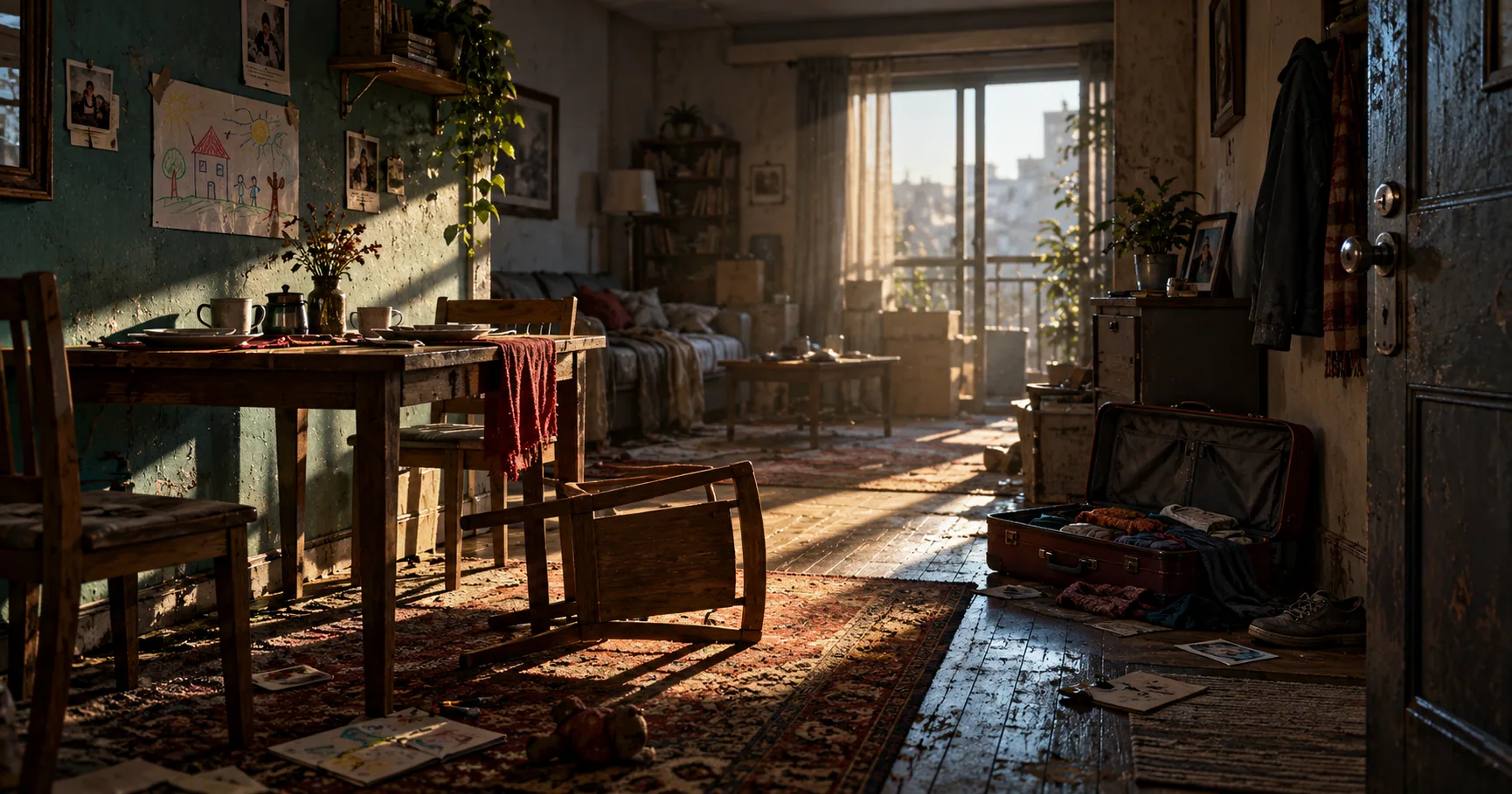
A single object rarely tells an entire story. A broken cup might mean nothing on its own. Place it beside a chair that has fallen backward, a damaged doorway, and a trail of muddy footprints, however, and it becomes part of a possible sequence of events.
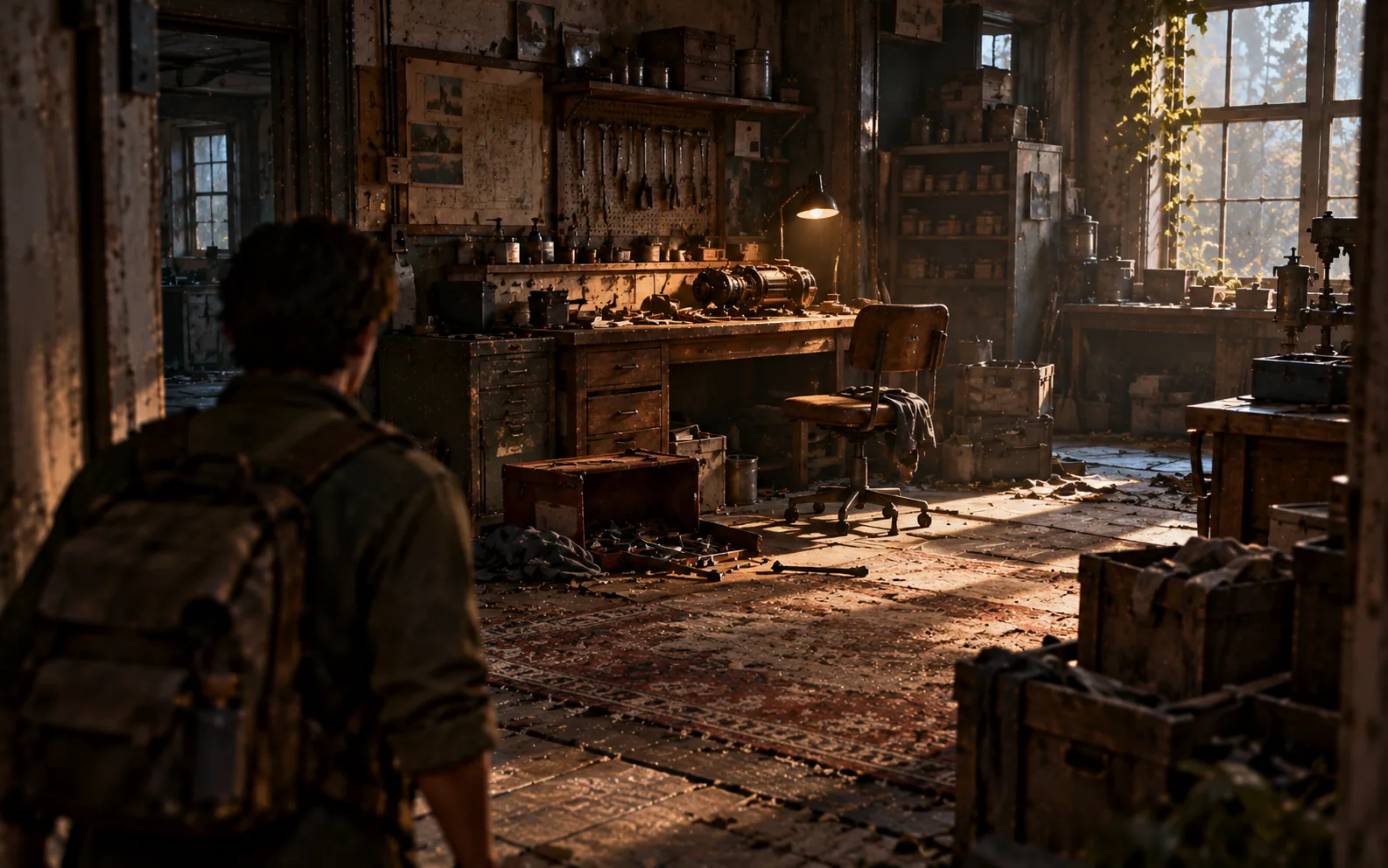
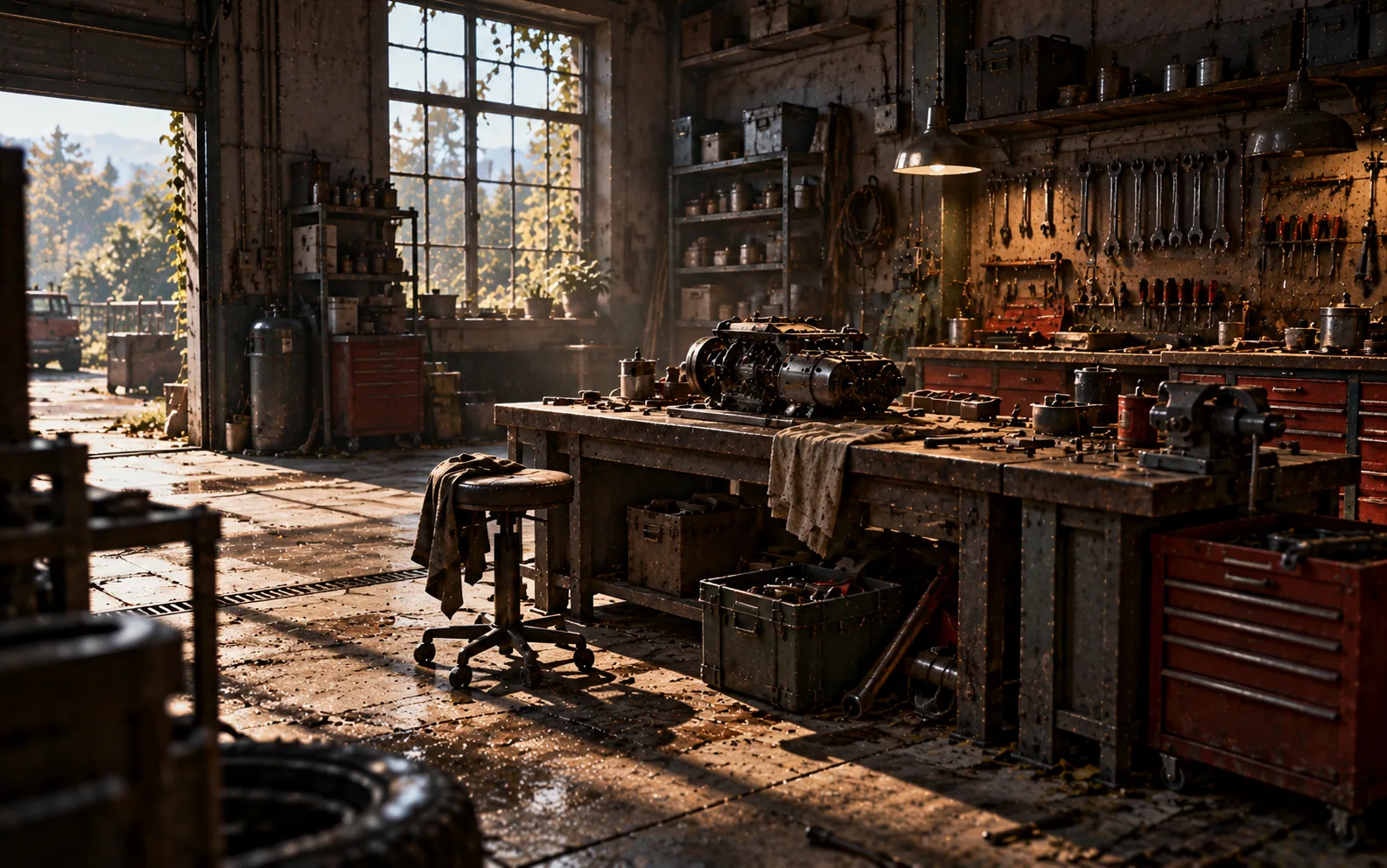
Game designers create these connections by choosing which objects to include, where to place them, and how they relate to the space. A locked cabinet might suggest that something valuable was protected. A workshop with several unfinished projects might reveal the habits of the person who used it. A room that is neat everywhere except one disturbed corner can draw attention to a specific event.
The condition of an object matters, too. Fresh damage communicates something different from years of decay. Repeated repairs can suggest that a machine or building remained important to someone. Personal belongings can make an otherwise empty location feel connected to a life that existed before the player arrived.
Not every clue needs to be obvious. Some details establish a general mood, while others support a more specific interpretation. A player might first notice the overall disorder, then discover a particular object that changes how the room is understood.
Good clues also need context. If every object is equally dramatic, players have trouble identifying what matters. Designers guide attention through contrast, placement, repetition, lighting, and the routes players naturally follow.
The aim is not to turn every room into a puzzle with one official answer. It is to make the details feel intentional enough that players have a reason to look closer.

- Object condition — damage, wear, or careful maintenance can suggest what a place has experienced.
- Object placement — the distance and relationship between objects can imply actions or routines.
- Repetition — repeated symbols, items, or patterns can connect separate locations.
- Contrast — one unusual detail in an otherwise ordinary room can draw attention.
- Context — a clue becomes more meaningful when it connects with the location and what the player already knows.
A location can tell a story before the player examines a single object. Architecture establishes what a place was built for, how people moved through it, and what kinds of activities once took place there.
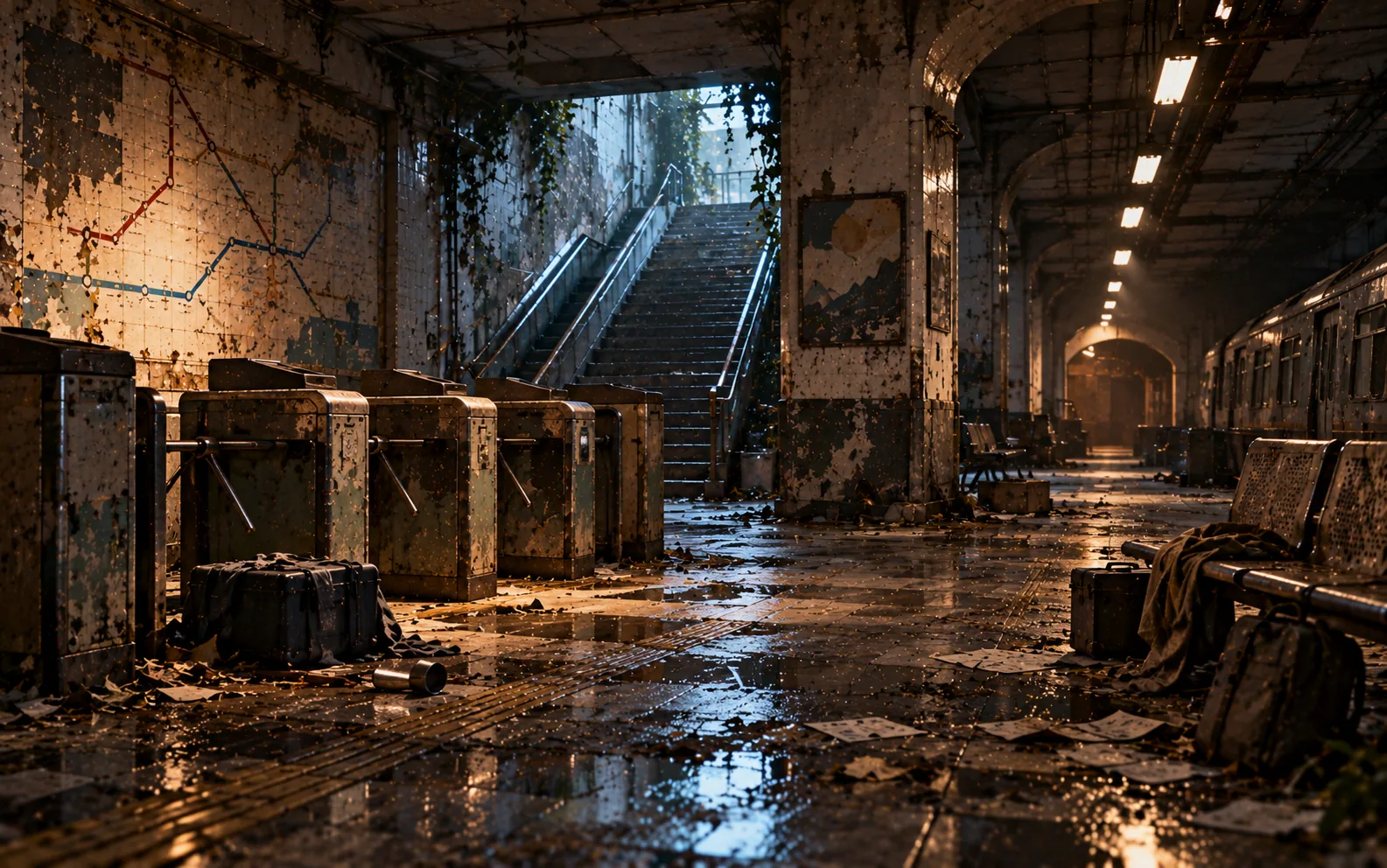
A crowded market with narrow stalls and well-used paths suggests regular trade. A hospital with separated wards and a damaged emergency entrance suggests a different kind of history. An abandoned industrial facility may reveal its former purpose through loading bays, machinery foundations, storage rooms, and worn routes between work areas.
Changes to the architecture can tell the next part of the story. A doorway that has been blocked from the inside suggests a deliberate choice. A temporary barricade can imply an emergency response. New structures built over older foundations may reveal that a community adapted to changing circumstances rather than disappearing all at once.
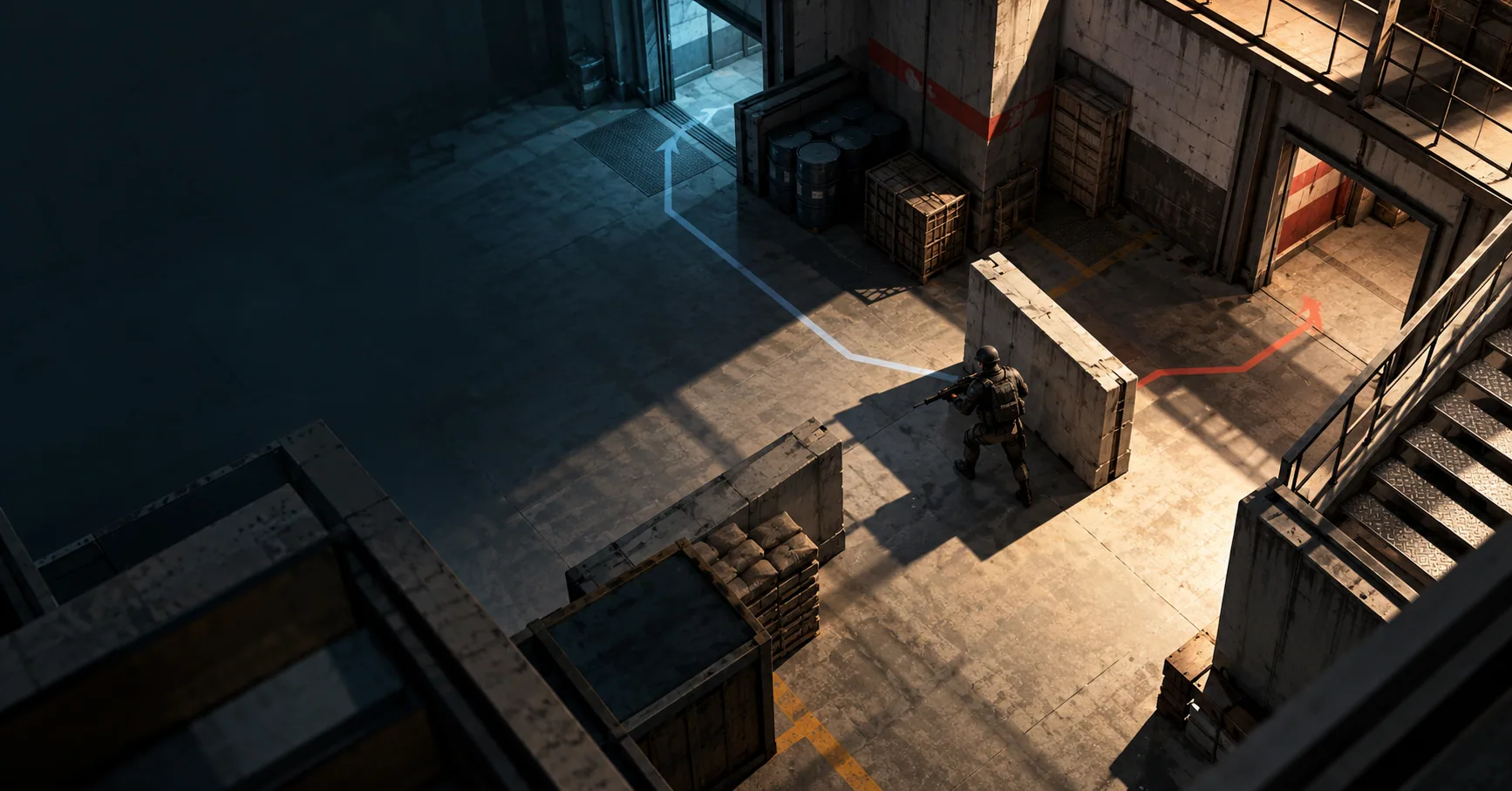
Level designers can also use the player's route to control when information becomes visible. A distant silhouette introduces a place before its details are clear. A narrow passage can reveal a larger room gradually. A route that circles back to an earlier location may let the player recognize changes they missed the first time.
These choices make navigation part of the narrative. The player learns about the world by moving through it, not only by reading information placed inside it.
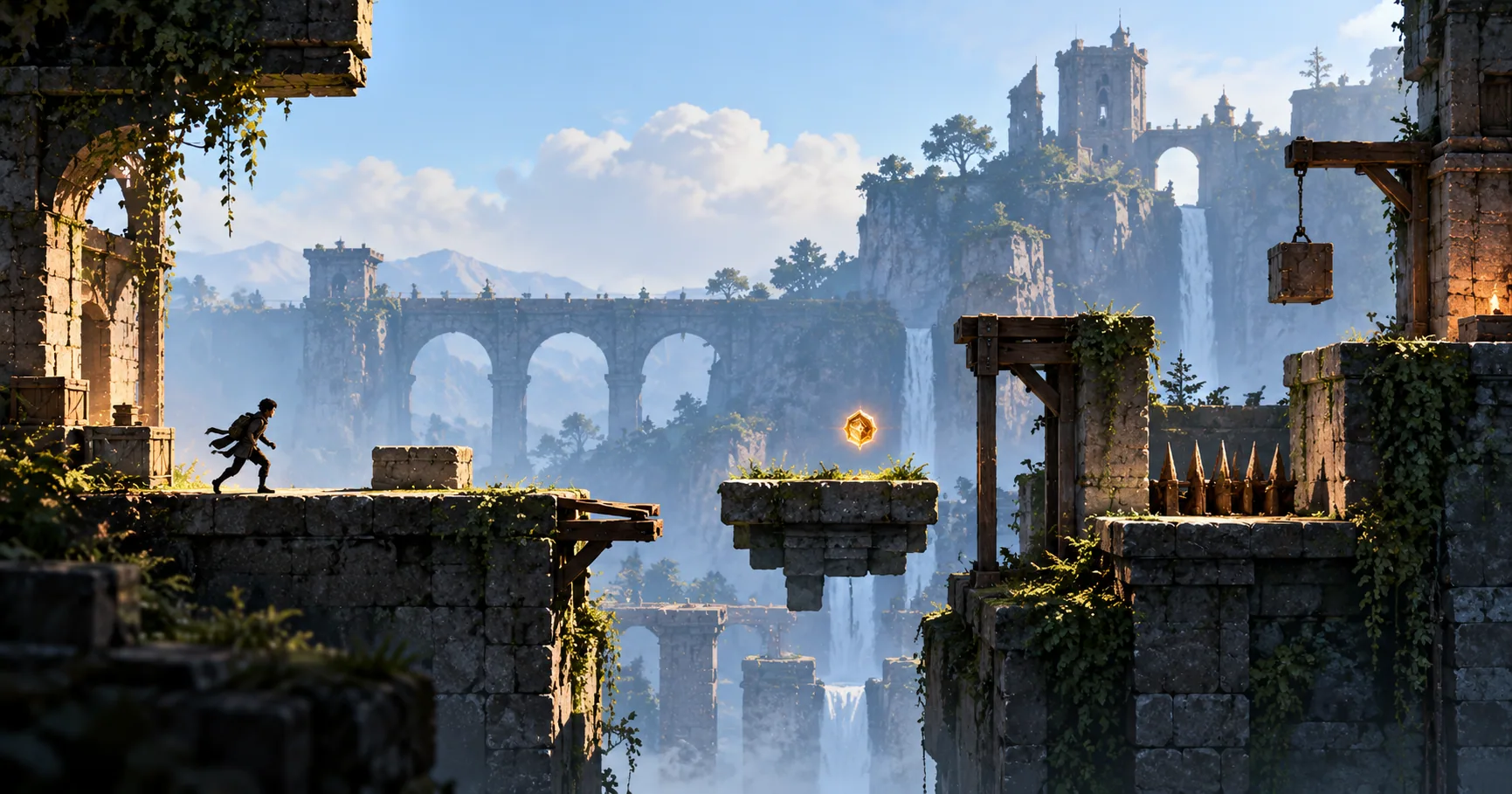
Architecture becomes especially powerful when it serves two purposes at once. A ruined bridge might communicate a past disaster while also changing the routes available to the player. A locked room can imply that something was protected and create a reason to explore elsewhere for access.
The strongest environmental storytelling often emerges when the space's history and its gameplay function support one another.
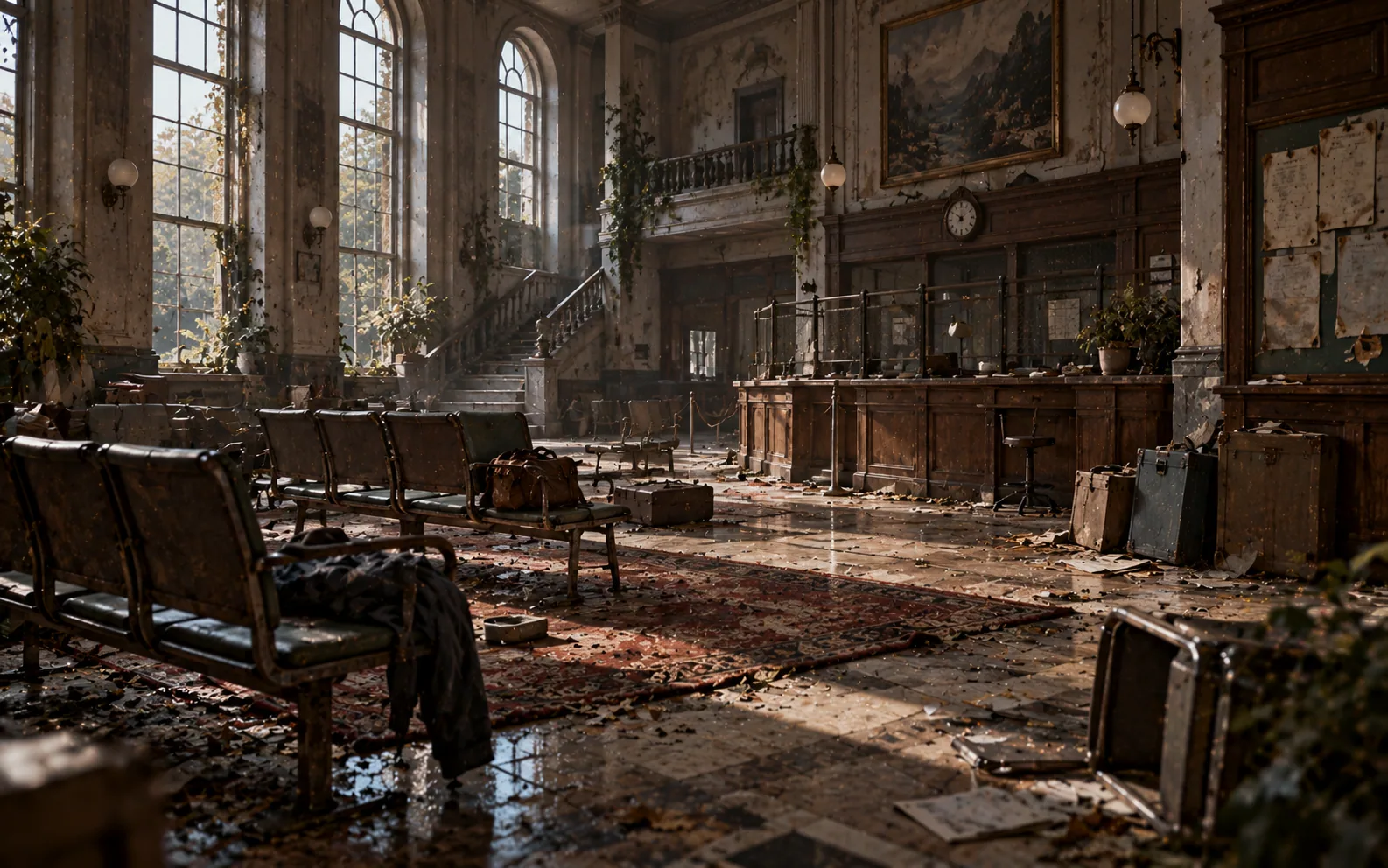
Environmental storytelling is not limited to physical objects. Lighting, colour, and sound influence what players notice and how they feel about a location.
A bright room with open windows and visible paths may feel welcoming. The same room under harsh, flickering light can feel neglected or threatening. A warm pool of light around a personal object can make it seem important, while a cold, empty corridor can make a distant doorway feel uncertain.
Colour can reinforce these impressions, but it is not a universal code. Red does not always mean danger, and blue does not always mean sadness. Meaning depends on the game's visual language, the surrounding context, and what players have already learned. A colour becomes a useful storytelling tool when the game uses it consistently enough for players to recognize its significance.
Sound can add another layer. Distant machinery may suggest that a facility is still operating. Wind passing through a broken structure can emphasize abandonment. A room that becomes unusually quiet may encourage the player to pay attention to details they would otherwise overlook.
These elements can guide attention without turning every clue into a glowing marker. A narrow beam of light can draw the eye toward an object. A sound coming from behind a wall can encourage investigation. A sudden contrast between a busy space and an eerily silent one can signal that something has changed.
The key is coordination. Lighting, colour, sound, architecture, and object placement should support the same broad experience. If every element competes for attention, the player may struggle to understand what matters. When they work together, the world can communicate meaning without needing to explain every detail.

A well-designed environment can leave an impression long after the player has moved on. Sometimes it is a single room that raises unanswered questions. Sometimes it is the realization that several locations fit together into a larger history. The player remembers not just what the game revealed, but how they came to understand it.
That experience depends on trust. The game presents clues and allows players to interpret them. It does not need to confirm every suspicion or explain every object. When the details are consistent, players can build their own understanding of the world and feel rewarded for paying attention.
Environmental storytelling also gives a world a sense of time. The player sees traces of people who are no longer present, places that have changed purpose, and objects left behind by events they never witnessed. These traces make the world feel larger than the immediate mission.
The technique can be effective in quiet exploration games, large open worlds, action adventures, horror games, and even tightly controlled linear levels. Its form changes with the genre, but the underlying principle remains the same: the environment can communicate through what it contains, what has happened to it, and how the player encounters it.
For developers, this requires more than adding scattered objects to a level. They need to understand the history of the place, decide what evidence would remain, and determine how players will move through and interpret that evidence. The process connects narrative design, level design, art direction, sound, and gameplay.
For players, the reward is the feeling that a world has something to say even when nobody is speaking. The environment becomes part of the storytelling, and exploration becomes a way of understanding the story.
Sometimes the most powerful moment is not a dramatic speech or a cinematic reveal. It is a quiet room that makes you stop, look around, and realize that something important happened there.
Inside the story
3 images from this article

Environmental Storytelling in Video Games
Learn how game environments, objects, architecture, lighting, and sound communicate stories beyond dialogue and cutscenes.
What is environmental storytelling in video games?
Environmental storytelling is a technique that uses locations, objects, architecture, and other environmental details to suggest events, history, or character experiences. Players interpret these clues as they explore the game world.
How do games tell stories without dialogue?
Games can arrange objects, show damage or changes to a location, use architecture to establish context, and guide attention through lighting and sound. These elements can suggest what happened without a character explaining it.
What are some examples of environmental storytelling?
Examples include abandoned rooms that suggest a sudden departure, buildings that reveal how a society functioned, and personal objects that hint at a character's routines or relationships. Games such as BioShock, The Last of Us, Half-Life 2, and What Remains of Edith Finch use environmental details as part of their storytelling.
Why is environmental storytelling important in games?
It can make worlds feel as though they have a history beyond the player's immediate actions. It also rewards observation and allows players to discover additional meaning through exploration.
Is environmental storytelling the same as worldbuilding?
They are related but not identical. Worldbuilding establishes how a fictional world works, while environmental storytelling uses details within that world to communicate events, history, relationships, or change.
Can environmental storytelling work in linear games?
Yes. A linear game can carefully control the order in which players encounter spaces and clues. Open-world games can offer more freedom in the order of discovery, but both formats can use environments to communicate stories.
How do lighting and sound help tell stories in games?
Lighting and sound influence atmosphere and guide attention. A focused light, distant machinery, unusual silence, or a contrast between spaces can suggest meaning and encourage players to investigate their surroundings.
What makes environmental storytelling effective?
Effective environmental storytelling uses details that fit the location's history and purpose. Clues should be noticeable enough to interpret, work together coherently, and leave room for discovery without making essential information impossible to find.

Junaid
Founder & Editor-in-Chief at Barlin Games
Founder and Editor-in-Chief of Barlin Games, covering games, studios, developers, gaming culture, and the stories behind the industry.