BARLIN GAMES
Explainer

Why Video Game Boss Fights Feel So Satisfying

Why does defeating a difficult boss feel so rewarding? Explore how anticipation, readable attack patterns, player skill, failure, music, and carefully designed challenges turn boss fights into some of gaming's most memorable moments.
Junaid Founder & Editor-in-Chief · 17 min read
Why Video Game Boss Fights Feel So Satisfying
On This Page Explore this article
01

A Boss Fight Is More Than a Big Health Bar

Some gaming victories disappear from memory almost immediately. Others stay with us for years. The difference often comes down to how a boss fight makes us learn, struggle, adapt, and finally succeed.

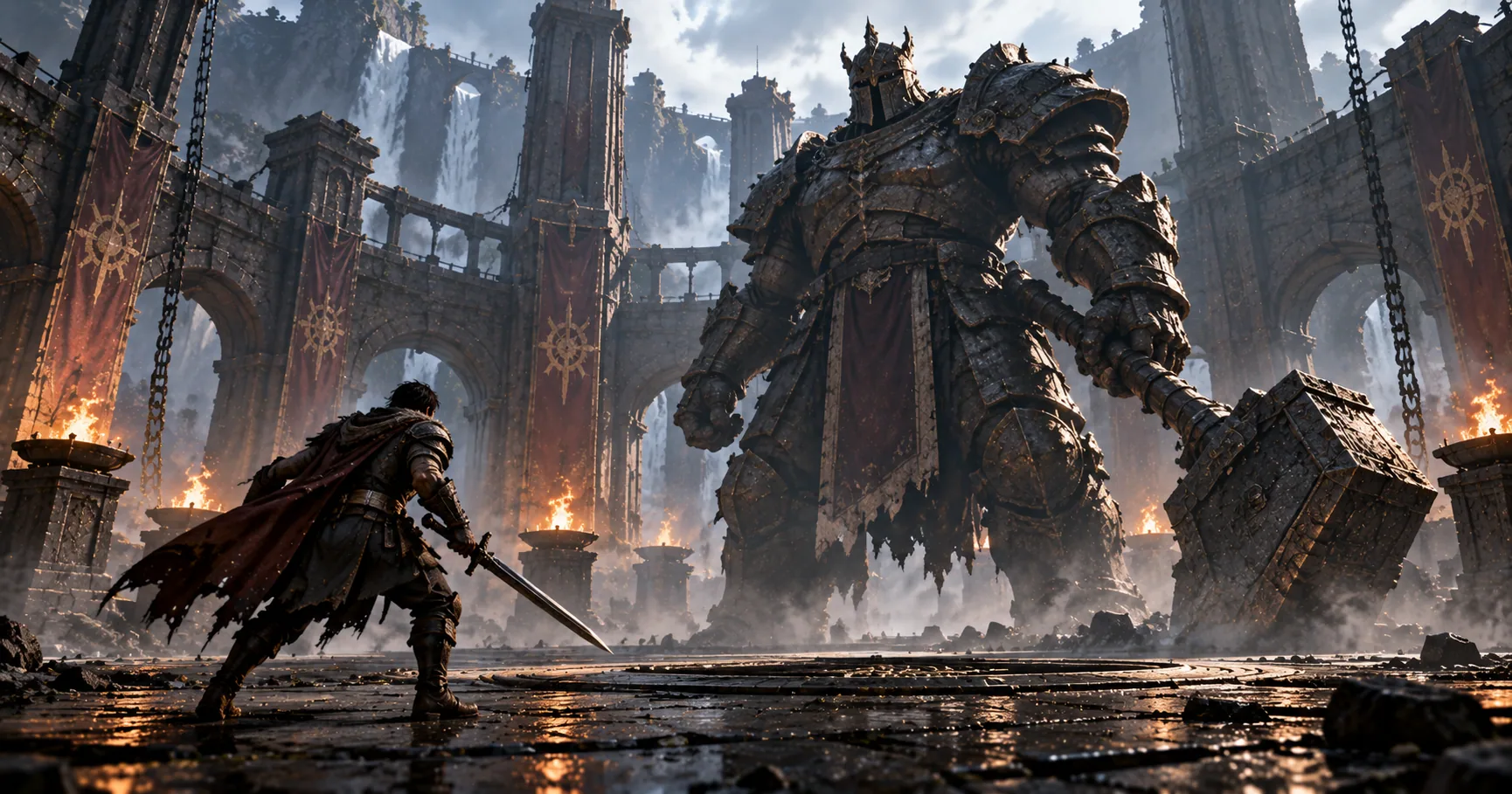
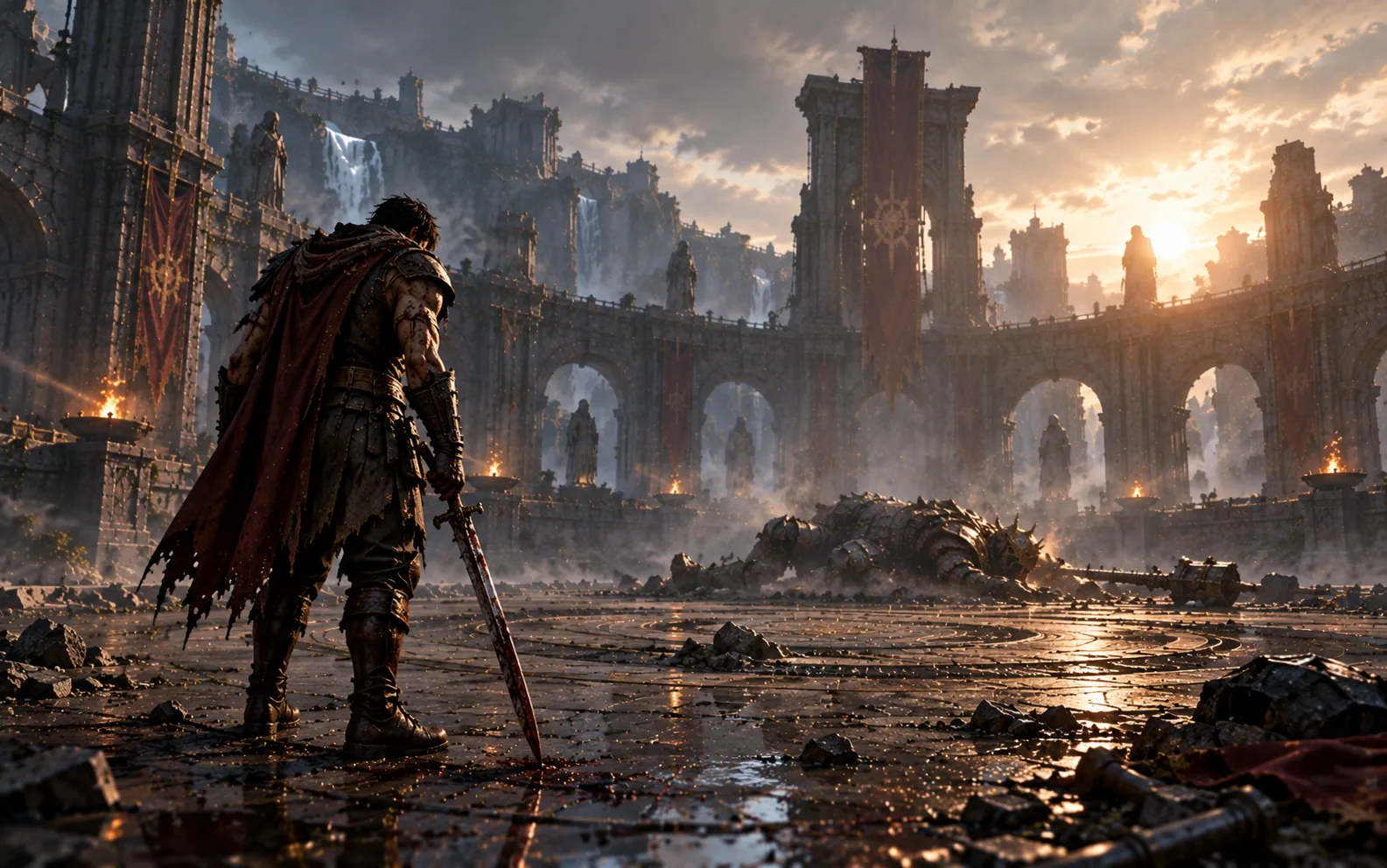
There is a particular moment in a difficult boss fight when everything seems to come together. You have watched the enemy's movements, survived attacks that caught you off guard, and slowly learned when to defend and when to strike. The boss has only a sliver of health remaining. One mistake could end the attempt.

Then you find the opening, land the final hit, and the battle is over.

The relief can be surprisingly powerful. You may put down the controller, laugh at how many attempts it took, or immediately message a friend to tell them what happened. That victory can become one of the most memorable moments of the entire game.

Why?

A great boss encounter often combines several kinds of satisfaction. There is the physical challenge of reacting at the right time, the mental challenge of understanding an opponent, the emotional tension of risking failure, and the sense of achievement that follows a successful attempt.

Game-design discussions have long described boss fights as opportunities for players to demonstrate what they have learned. A well-designed encounter asks players to apply familiar skills in a demanding situation rather than simply survive an oversized health bar. 

That distinction matters. Increasing an enemy's health can make a fight longer without making it more interesting. A memorable boss needs meaningful decisions: when to attack, where to stand, what to watch, how to respond, and when to take a risk.

Boss fights can also change the rhythm of a game. A series of ordinary encounters may gradually prepare players for a more demanding confrontation, making the eventual battle feel like a turning point rather than another enemy in the corridor. 

Not every boss needs to be difficult, enormous, or dramatic. A short encounter can be memorable because of an unusual mechanic, an emotional context, or a clever twist. What matters is that the fight gives the player something meaningful to understand and overcome.

The best boss battles do not simply ask, “Can you deal enough damage?”

They ask, “Have you learned enough to win?”

Difficulty alone does not create satisfaction

A boss becomes memorable when its challenge gives players meaningful things to learn, decisions to make, and a fair opportunity to turn that learning into victory.

02

Anticipation Makes the Battle Feel Bigger

A boss fight often begins long before the first attack. Music, environmental changes, a sealed doorway, or a glimpse of the opponent can prepare the player emotionally for what comes next.

Think about the moments before a major boss encounter. You might walk through a quiet corridor, enter a vast chamber, hear the soundtrack change, or see an enormous silhouette waiting beyond the arena. The game has not yet tested your skills, but it has already changed your expectations.

This is anticipation at work.

The encounter gains meaning because the game creates a contrast between what came before and what is about to happen. Ordinary enemies may have taught you the basic combat rules, while the journey toward the boss suggests that a more important test is approaching.

Game-design commentary has highlighted how boss battles can serve as emotional peaks within a larger experience. Designers can build intensity through the levels leading to the encounter, then release some of that tension through the fight's outcome. 

The arena itself can contribute to that feeling. A narrow chamber may create a sense of confinement. A huge open space may make the player feel small. A location connected to an earlier story event can make the confrontation feel personal rather than random.

Sound is another powerful tool. A shift in music can signal danger, scale, or urgency before the player consciously identifies why the moment feels different. Silence can be just as effective, creating room for footsteps, breathing, or the sound of the boss moving.

But anticipation must be earned. If every encounter is presented as the most important battle in the game, the effect begins to weaken. A boss introduction that promises an extraordinary challenge should lead to a fight that delivers on that promise.

The game also needs to consider pacing. A long introduction may build tension for some players but feel tedious to others, especially if they must watch the same unskippable scene after repeated failures.

When presentation and gameplay work together, the encounter feels like an event. The player does not merely meet a stronger enemy; they feel that they have arrived at a moment worth remembering.

  • Environmental scale: The arena makes the opponent or the confrontation feel significant.
  • Sound and silence: Music, sound effects, and sudden quiet shape the mood before combat.
  • Story context: The encounter connects to a character, conflict, or goal the player already cares about.
  • Pacing: The journey toward the boss creates a sense that the upcoming battle matters.
03

The Player Starts Reading the Boss

A difficult boss can initially seem unpredictable. Over time, its animations, rhythms, and repeated behaviours become clues that help the player anticipate what might happen next.

The first time a player encounters a challenging boss, they may have no idea what to expect. An attack arrives faster than anticipated. A sweeping weapon covers more ground than expected. An apparently safe position turns out to be dangerous.

The player is reacting to information they do not yet understand.

With each attempt, the encounter can become more readable. The player notices that the boss raises its arm before a heavy strike, pauses briefly after a combination, or changes its posture before charging forward. These observations begin to form a mental map of the fight.

This is pattern recognition, and it is one of the reasons a challenging encounter can become more satisfying over time.

The important design concept is often called telegraphing: the visual, audio, or animation cues that communicate an incoming action. A boss might draw back its weapon, briefly pause, make a distinctive sound, or shift its weight before attacking. These signals give the player a chance to recognize the danger and respond.

Game Developer's analysis of readability in action RPG combat describes telegraphing and the expectations created by attacks as important parts of how players interpret danger. When attacks are difficult to read, players may struggle to understand what caused their failure. 

Readable does not mean predictable in every detail. A boss can delay an attack, combine familiar moves, or introduce a variation that tests the player's attention. The player should still need to make decisions rather than simply follow a memorized sequence.

There is also a difference between a difficult pattern and a confusing one. If an attack has no recognizable warning, covers an unclear area, or behaves inconsistently, a player may feel that success depends on luck. If the warning is visible but the timing is demanding, the player can begin adjusting their response.

The result is a satisfying shift in perspective. The boss that once seemed chaotic begins to make sense. The player starts recognizing the fight's rhythm, choosing better positions, and reacting with greater confidence.

They are no longer merely enduring the encounter.

They are learning how to read it.

Warning

The boss signals an upcoming move through posture, animation, sound, or another recognizable cue.

Response

The player identifies a possible counter, such as dodging, blocking, moving, or interrupting.

Consequence

The game makes the result understandable, helping the player refine their next decision.

04

A Fair Challenge Makes Victory Feel Earned

Players can accept repeated failure when they understand what went wrong. A boss becomes frustrating when its rules feel inconsistent, its attacks are unreadable, or success appears to depend on luck rather than skill.

Difficulty and fairness are not the same thing.

A boss can hit hard, move quickly, and demand precise timing while still giving the player a reasonable opportunity to understand the challenge. Conversely, an encounter can be relatively easy yet feel unfair if its rules are unclear or its attacks behave in ways the player could not reasonably anticipate.

This distinction is especially important in games built around repeated attempts.

In an interview with PlayStation Blog, FromSoftware president and game director Hidetaka Miyazaki discussed the studio's intention to encourage players to study encounters, learn from mistakes, and overcome adversity. He also emphasized the importance of players being able to understand why a failure occurred, rather than feeling that the game punished them without justification.

That philosophy helps explain why a demanding fight can remain engaging. A player might lose because they attacked too early, failed to move out of a visible danger zone, or used a familiar strategy at the wrong moment. Those mistakes provide information that can influence the next attempt.

A fair challenge also needs reasonable consistency. The same action should not unexpectedly produce contradictory results without a meaningful explanation. Hitboxes, animation timing, camera behaviour, and control responsiveness all influence whether players believe the outcome was deserved.

This does not mean every attack must be easy to avoid or every boss must have an obvious weakness. Surprise and uncertainty can be valuable. But players need enough information to make meaningful decisions and learn from the outcome.

Fairness is also experienced differently by different players. Reaction speed, familiarity with a genre, motor abilities, and access to suitable controls can change how demanding a fight feels. Options such as adjustable difficulty, assist features, or alternative control settings can help more people engage with the challenge.

A difficult victory feels earned when players can recognize the role their decisions played in achieving it. They do not need to win immediately. They need a believable path from failure to improvement.

Readable threats
Players have a reasonable chance to recognize important attacks.
Consistent rules
Combat systems behave predictably enough to learn.
Responsive controls
Player inputs produce reliable, understandable results.
Useful feedback
Failure reveals something the player can use in a future attempt.
Meaningful options
Where appropriate, difficulty and accessibility settings help different players engage with the encounter.
05

Failure Turns Into Progress

Repeated attempts can transform a seemingly impossible encounter into a manageable challenge. The key is that each attempt gives the player a chance to notice something, change a strategy, or improve a skill.

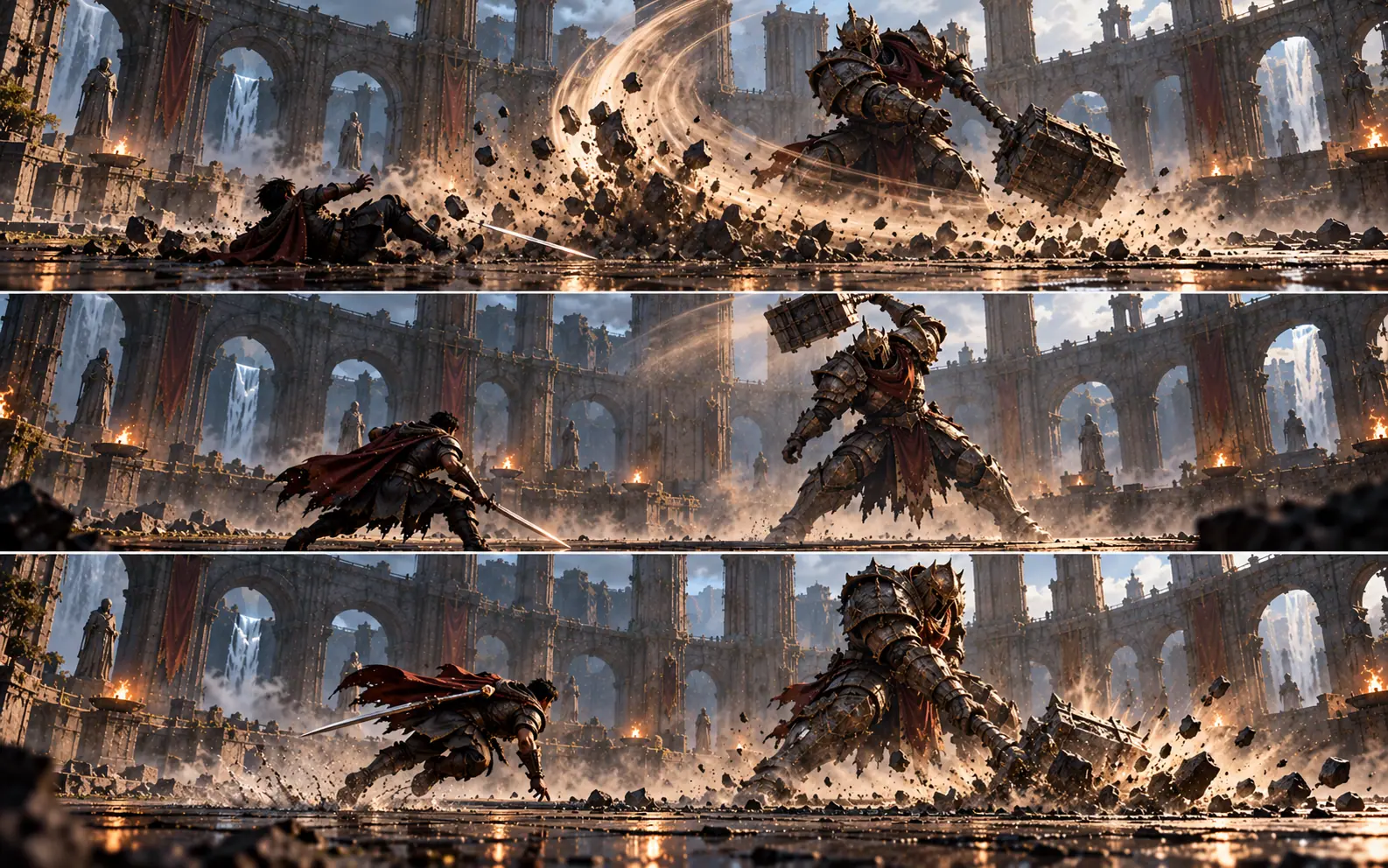
A player loses to a boss. They try again and lose a little later. On the next attempt, they recognize a familiar attack and avoid it. A few attempts after that, they reach a new phase of the fight.

The boss has not necessarily become weaker. The player's understanding has changed.

This is one of the most compelling parts of a well-designed challenge. Progress can happen before the victory screen appears. The player may become better at judging distance, managing stamina, recognizing attack patterns, choosing when to heal, or deciding when not to attack.

The repeated attempt becomes an experiment. The player changes an action, observes the result, and uses that information to plan the next move.

FromSoftware's comments on challenge and learning describe this relationship between studying an encounter, understanding mistakes, and improving subsequent attempts. 

But repeated failure only works when the game gives the player a reason to believe that improvement is possible. If every attempt ends without revealing anything useful, the player may feel trapped in a loop. If returning to the boss requires repeating a long sequence of unrelated tasks, the cost of experimentation can become exhausting.

This is why retry structure matters. Checkpoints, short routes back to the encounter, clear feedback, and opportunities to practice can preserve the value of a difficult fight without making every mistake unnecessarily expensive.

A good encounter also lets players change their approach. They might try a different weapon, alter their positioning, wait for a safer opening, or decide that the current strategy is not working. Progress does not always mean executing the same plan more perfectly; sometimes it means discovering a better plan.

There is an important limit, however. Difficulty is subjective. A challenge that motivates one player may discourage another, and no design can guarantee that everyone will enjoy repeated attempts.

The strongest fights make improvement visible and give players meaningful choices about how to pursue success.

When victory finally arrives, the player remembers more than the final hit. They remember the mistakes they corrected, the patterns they learned, and the moment the fight began to make sense.
STEP 1

Encounter

The player meets an unfamiliar attack or combat pattern.

STEP 2

Observation

They identify a repeated cue, dangerous position, or missed opportunity.

STEP 3

Adjustment

They change timing, movement, equipment, or strategy.

STEP 4

Application

They use what they learned during the next attempt.

STEP 5

Mastery

Their improved decisions allow them to complete the encounter.

06

The Best Bosses Test What the Game Has Taught You

A boss can bring familiar mechanics together in a demanding situation. Instead of feeling like an unrelated obstacle, the encounter becomes a practical test of the skills players have developed throughout the game.

Imagine a game that has spent several hours teaching you to dodge, manage stamina, recognize enemy wind-ups, and attack during brief openings. If the final boss requires you to combine all those skills, the encounter can feel like a natural culmination of the journey.

You are not starting from zero. You are applying what you already know under pressure.

Game-design writing on boss battle structure describes boss encounters as opportunities for players to demonstrate the skills they have learned and as moments that can create peaks in a game's pacing. 

This is why a boss that fits the game's established mechanics can feel more satisfying than one that suddenly introduces an unrelated control scheme. Familiar actions allow the player to concentrate on the new challenge rather than first struggling to understand entirely new rules.

That does not mean every boss should behave like an ordinary enemy with more health. A strong encounter can change the rhythm, combine mechanics in unfamiliar ways, introduce a new spatial problem, or demand a different balance between offence and defence.

The important thing is that the new challenge has a foundation.

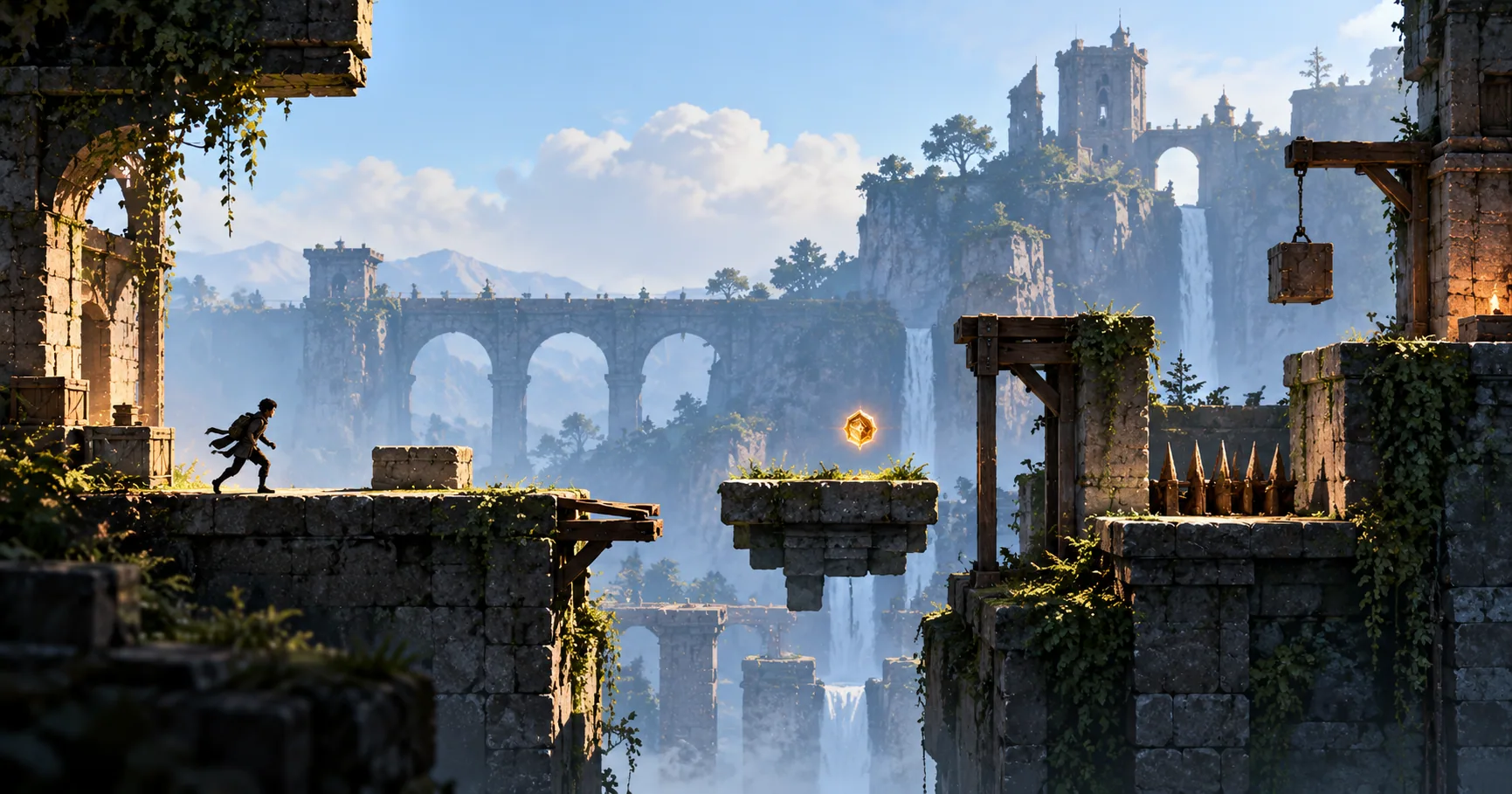
Consider a platform game in which the player has learned to jump across gaps and react to moving platforms. A boss that combines those skills with a changing arena can feel challenging while still belonging to the same game. The player must think differently, but the encounter remains connected to what came before.

Boss design also benefits from variety. Some encounters reward precision, others emphasize positioning, environmental interaction, defensive timing, or resource management. If every boss asks for exactly the same response, the game may lose its ability to surprise players.

The balance is between familiarity and novelty. The player should recognize the tools they have learned, but the encounter should give those tools a fresh purpose.

When that balance works, victory carries a second meaning. The player has not only defeated an opponent. They have demonstrated that they understand the game's language.

A strong boss encounter turns familiar skills into a new problem that the player must solve under pressure.

Barlin Games Editorial
07

When a Boss Fight Gets the Balance Wrong

A boss can look spectacular and still be frustrating. If its mechanics undermine the game's established rules, its difficulty feels arbitrary, or its presentation interrupts the action too often, the encounter can lose its impact.

A giant enemy, an impressive arena, and a dramatic soundtrack do not automatically make a good boss fight. Those elements can create excitement, but the encounter still needs to work as gameplay.

One common problem is simply increasing the enemy's health. A fight that requires the player to repeat the same action for a long time may feel demanding because it lasts longer, not because it asks for better decisions. Health and damage can influence difficulty, but they cannot replace interesting mechanics.

Another problem appears when a boss suddenly ignores the skills the game has taught the player. An encounter might require a special action that has barely been introduced, disable the player's established abilities without adequate explanation, or force a strategy that feels disconnected from the rest of the game.

Game-design commentary on boss encounters has criticized unnecessary complication and the introduction of mechanics that do not fit the existing combat system. 

Presentation can also work against the fight. Repeated unskippable cutscenes, long runbacks after every defeat, unclear camera angles, and excessive visual effects can make it harder to focus on the actual challenge. A dramatic moment should not repeatedly obstruct the player's ability to play.

Some fights also confuse difficulty with surprise. An unexpected attack can be exciting when it follows understandable rules. It becomes frustrating when the player has no reasonable way to recognize or respond to it.

Production matters, too. In a Game Developers Conference session, Insomniac Games discussed lessons from developing boss encounters for Marvel's Spider-Man 2, including improving how those fights use the game's core combat systems to deliver distinctive experiences. 

The lesson is not that every boss must follow one formula. Some unusual encounters deliberately break the rules, and that can be memorable when the change is meaningful. But a departure from familiar mechanics needs to serve the experience rather than exist only for spectacle.

A boss fight succeeds when its presentation, rules, difficulty, and player abilities work together. If one element repeatedly undermines the others, even the most impressive-looking opponent can become an obstacle players simply want to get past.

More health does not automatically mean better design

A satisfying boss fight gives players meaningful decisions, readable threats, and opportunities to improve. Simply extending the battle can add time without adding depth.

08

Why We Remember the Final Hit

The winning moment is powerful because it carries the weight of everything that came before: the anticipation, the mistakes, the adjustments, and the growing belief that the encounter can finally be beaten.

When a boss finally falls, the result can feel much bigger than the final animation on the screen. The player has spent time learning an opponent, adjusting their strategy, and trying again after failure. The victory becomes the conclusion of that personal process.

This is why the final moment can be so memorable. The player understands what it took to reach it.

The satisfaction is not identical for everyone. Some players enjoy overcoming demanding combat, while others prefer discovering a clever weakness or solving a puzzle-like encounter. For some, the reward comes from the story attached to the boss. For others, it is the relief of finishing a challenge that has tested their patience.

A well-designed fight can support several of these experiences at once. It may challenge reflexes while rewarding observation, build dramatic tension while allowing strategic choices, and deliver a visual conclusion that gives the encounter a sense of finality.

The game can reinforce that feeling through pacing and presentation. A brief pause after victory, a change in the soundtrack, an altered environment, or the opportunity to move forward can help the player recognize that something important has changed. The strongest moments usually feel connected to the fight rather than pasted on after it.

The sense of achievement also depends on the player's contribution. If success feels entirely automatic, the final moment may lack weight. If the outcome feels arbitrary, the player may struggle to see the victory as something they earned. The encounter is most rewarding when the player's decisions and improvement make a meaningful difference.

That is why a memorable boss does not need to be the hardest enemy in a game. A clever, well-paced encounter can stay with a player because it asks the right question, provides the right challenge, and gives the player a satisfying way to answer it.

Long after the health bar disappears, the player may remember the attack they finally learned to dodge, the risky decision that worked, or the attempt where everything finally clicked.

The final hit ends the battle.

The experience of earning it is what makes the battle memorable.


Victory Should Feel Earned

The most satisfying boss fights turn challenge into understanding. They give players something to observe, something to improve, and a fair opportunity to put their skills to the test. When anticipation, readable mechanics, meaningful decisions, and hard-earned progress come together, defeating a boss becomes more than finishing another level. It becomes a moment the player can genuinely call their own.

Next time you defeat a memorable boss, think about what made the victory work. It may not have been the size of the enemy or the length of the fight. It may have been the moment you finally understood what the game had been asking you to learn.

09 — FAQ

Why Video Game Boss Fights Feel So Satisfying

Discover what makes boss battles memorable, from learning attack patterns and overcoming failure to fair difficulty, combat design, and the satisfaction of victory.

Why are boss fights so satisfying in video games?

Boss fights can combine challenge, pattern recognition, anticipation, and a sense of achievement. When players learn an opponent's behaviour and use that understanding to win, the victory can feel earned rather than automatic.

What makes a good video game boss fight?

A strong boss fight offers meaningful decisions, readable attacks, responsive controls, an appropriate challenge, and opportunities to use or develop familiar skills. Spectacle can enhance the experience, but it cannot replace engaging gameplay

Why do players learn boss attack patterns?

Recognizing repeated animations, sounds, and movement patterns helps players anticipate attacks and choose suitable responses. Learning these patterns can turn an unfamiliar fight into a challenge the player understands and can gradually improve at.

Why does defeating a difficult boss feel like an achievement?

The victory may represent several improvements made across repeated attempts, including better timing, positioning, observation, and strategy. The player can connect the final result with the decisions and skills they developed along the way.

What is telegraphing in boss fight design?

Telegraphing is the use of cues such as body posture, animation, sound, or movement to signal an upcoming attack. These cues help players recognize threats and decide how to respond.

Why can unfair boss fights feel frustrating?

Players may become frustrated when attacks are difficult to read, controls feel unreliable, rules behave inconsistently, or repeated failures provide little useful feedback. A demanding fight is easier to learn from when players can understand what happened and adjust their approach.

Should boss fights test skills learned earlier in a game?

Often, yes. Using established mechanics in new combinations can make a boss feel like a meaningful test of the player's progress. New mechanics can also work, but they should be introduced clearly enough that players have a fair chance to understand them.

Does a boss need to be difficult to be memorable?

No. A boss can be memorable because of its unusual mechanics, narrative importance, visual design, music, or the way it changes the player's expectations. Difficulty is only one of several ways to create a meaningful encounter.

Junaid
About the author

Junaid

Founder & Editor-in-Chief at Barlin Games

Founder and Editor-in-Chief of Barlin Games, covering games, studios, developers, gaming culture, and the stories behind the industry.
21 Articles Published
Love this article? Building a better way to discover games. View all articles